
Overview of Spanish Student Visas
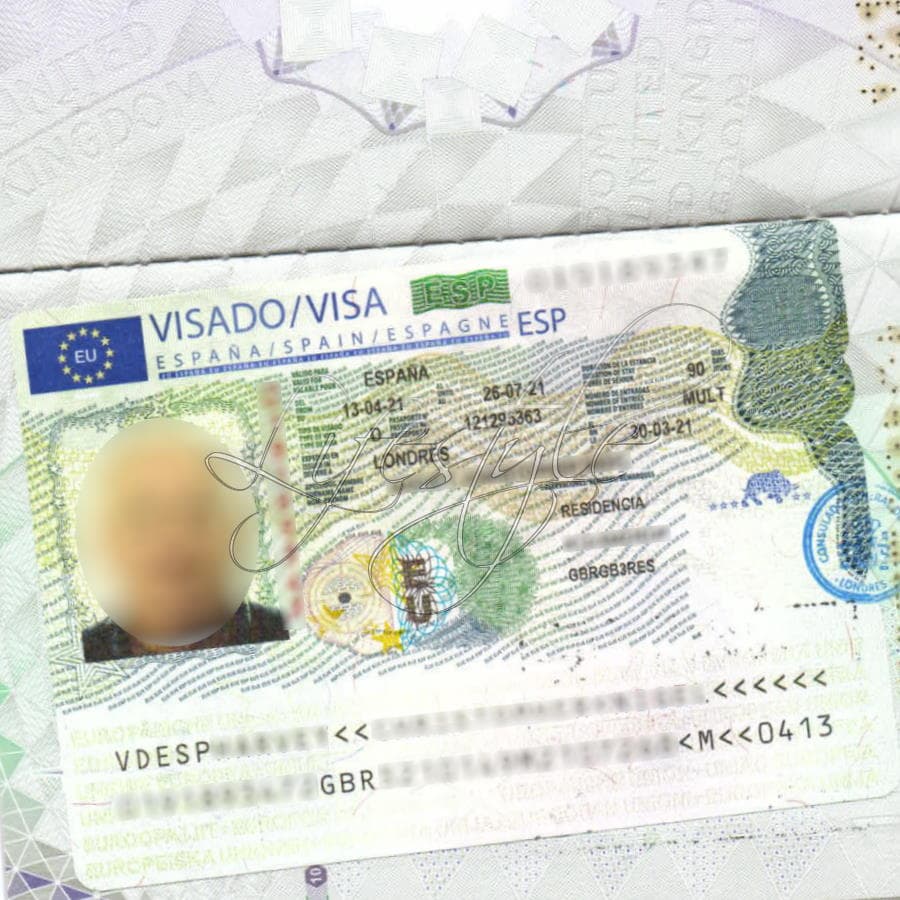
Foreign nationals intending to study in Spain must obtain the appropriate authorization based on the duration of their academic program and their country of origin. For the 2025/2026 academic cycle, the Spanish administrative system distinguishes between short-term stays and long-term residency for study purposes. Citizens of the European Union (EU), European Economic Area (EEA), and Switzerland do not require a visa but must register with the Central Registry of Foreigners if their stay exceeds 90 days.
For non-EU "third-country" nationals, the legal framework is primarily governed by the Ley de Extranjería (Organic Law 4/2000) and its subsequent reforms. There are two primary categories of student visas:
- Short-term Student Visa (91–180 days): For courses such as language intensives or semester exchanges. This visa cannot be extended from within Spain.
- Long-term Student Visa (More than 180 days): For full-degree programs, doctorates, or long-term research. This requires the applicant to obtain a Foreigner Identity Card (TIE) upon arrival.
Programs lasting fewer than 90 days are typically covered by a standard Schengen tourist visa or visa-waiver program, depending on the applicant's nationality.
Mandatory Financial and Administrative Requirements
Applicants must demonstrate sufficient financial means to cover their living expenses and the cost of returning to their home country. The Spanish government uses the Indicador Público de Renta de Efectos Múltiples (IPREM) as the benchmark. For 2025, the requirement is 100% of the IPREM for the main applicant, which is approximately 600 EUR ($630 USD, May 2025) per month of stay.
If the student is accompanied by family members, they must demonstrate an additional 75% of the IPREM for the first relative and 50% for each subsequent relative. Documentation may include bank statements, proof of scholarships, or notarized letters of financial support. In addition to financial proof, the following documents are standard for all long-term applications:
- Proof of Enrollment: An official letter of acceptance from an accredited educational institution in Spain, specifying the course title, duration, and hours per week (minimum 20 hours).
- Public or Private Health Insurance: The policy must be contracted with an insurance company authorized to operate in Spain. It must provide full coverage equivalent to the National Health System, with no co-payments (sin carencias ni copagos) and include repatriation of remains.
- Medical Certificate: For stays exceeding 180 days, a certificate stating the applicant does not suffer from any diseases with serious public health implications according to the International Health Regulations (2005).

Criminal Record and Legal Status
Applicants of legal age (18+) requesting a visa for more than 180 days must provide a criminal record certificate issued by the authorities of their country of origin or the countries where they have resided during the last five years. The certificate must show no convictions for offenses existing under Spanish law. All foreign public documents must be legalized through the Apostille of the Hague or through diplomatic channels and translated into Spanish by a sworn translator (traductor jurado).
Furthermore, applicants must not be prohibited from entering Spanish territory or the territory of countries with which Spain has signed an agreement to that effect. The processing fee for a student visa is generally 60 EUR ($63 USD, May 2025) for most nationalities, though specific rates apply to citizens of the United States and Canada due to reciprocity agreements.
Right to Work as a Student
Under the 2022 reforms to the Immigration Regulations, the Spanish student visa automatically includes the authorization to work for a maximum of 30 hours per week. This work can be either self-employed or as an employee, provided that the activity does not interfere with the student’s academic schedule. The authorization is valid for the duration of the study permit.
Students are permitted to work anywhere in Spain, though the employer must still register the student with the Social Security system (Seguridad Social). If the student is pursuing higher education (Level 6, 7, or 8 of the European Qualifications Framework), this work authorization is valid from the moment the visa is granted. For other types of studies, specific conditions may apply regarding the relevance of the work to the field of study.

Application Procedures and Deadlines
There are two primary ways to submit a student visa application for Spain. Traditionally, applicants apply at the Spanish Consulate or Embassy in their country of legal residence. It is recommended to apply at least 2–3 months before the intended start date of the academic program. The processing time can vary between 15 and 30 days depending on the consulate's workload.
Alternatively, under Article 33.3 of the Immigration Regulation, foreign nationals who are already in Spain legally (e.g., as tourists from visa-exempt countries) can apply for a student stay authorization directly from within Spain. This application must be submitted electronically to the Oficina de Extranjería (Immigration Office) at least 30 calendar days before the expiration of their current legal status. Further information can be found at the Official Immigration Portal.

Post-Arrival Requirements: The TIE
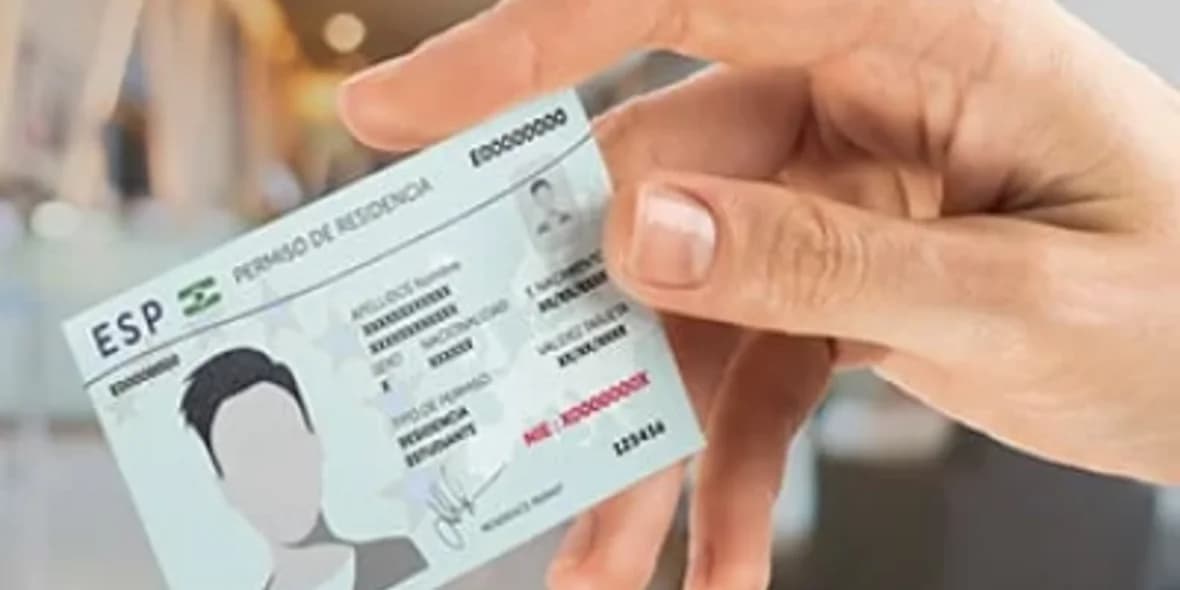
If the authorized stay is longer than six months, the student must apply for the Tarjeta de Identidad de Extranjero (TIE) within one month of entering Spain or the Schengen Area. The TIE is the physical card that proves the holder's legal residency and contains their NIE (Número de Identidad de Extranjero). To obtain the TIE, students must book an appointment (cita previa) for "Policía-Toma de Huellas" (Fingerprinting) through the government’s electronic portal.
The documents required for the TIE appointment typically include the application form EX-17, the original passport with the visa stamp, proof of payment for the administrative fee (Model 790-012), which is approximately 16.08 EUR ($17 USD, May 2025), and a recent passport-sized photograph. The card is usually ready for collection 30 to 45 days after the fingerprinting appointment.
Renewals and Modifications
Student stay authorizations are typically valid for one year or the duration of the academic program. To renew, the student must demonstrate that they have successfully passed their exams or have maintained the requirements for their research. Renewal applications (Prórroga de estancia por estudios) must be submitted within 60 days prior to the expiration of the current card or up to 90 days after (though the latter may incur a fine).
Upon completion of studies, students who have held a student permit for at least three years may modify their status to a work permit without having to return to their home country, provided they have a valid job offer. Alternatively, graduates can apply for a "Job Seekers Visa" (Residencia post-estudios), which allows them to remain in Spain for up to 12 months to find employment or start a business.