
Mobile Connectivity in Spain: Overview
Spain possesses one of the most advanced telecommunications infrastructures in Europe, with extensive 4G and 5G coverage across urban and most rural areas. For foreign nationals, establishing a mobile connection is a primary administrative step upon arrival. The market is regulated by the Comisión Nacional de los Mercados y la Competencia (CNMC), ensuring competitive pricing and consumer protections.
Types of Mobile Plans
In Spain, mobile services are divided into two primary categories: Prepaid (Prepago) and Contract (Contrato). The eligibility for these plans depends on the residency status and documentation held by the foreign national.
Prepaid SIM Cards (Prepago)
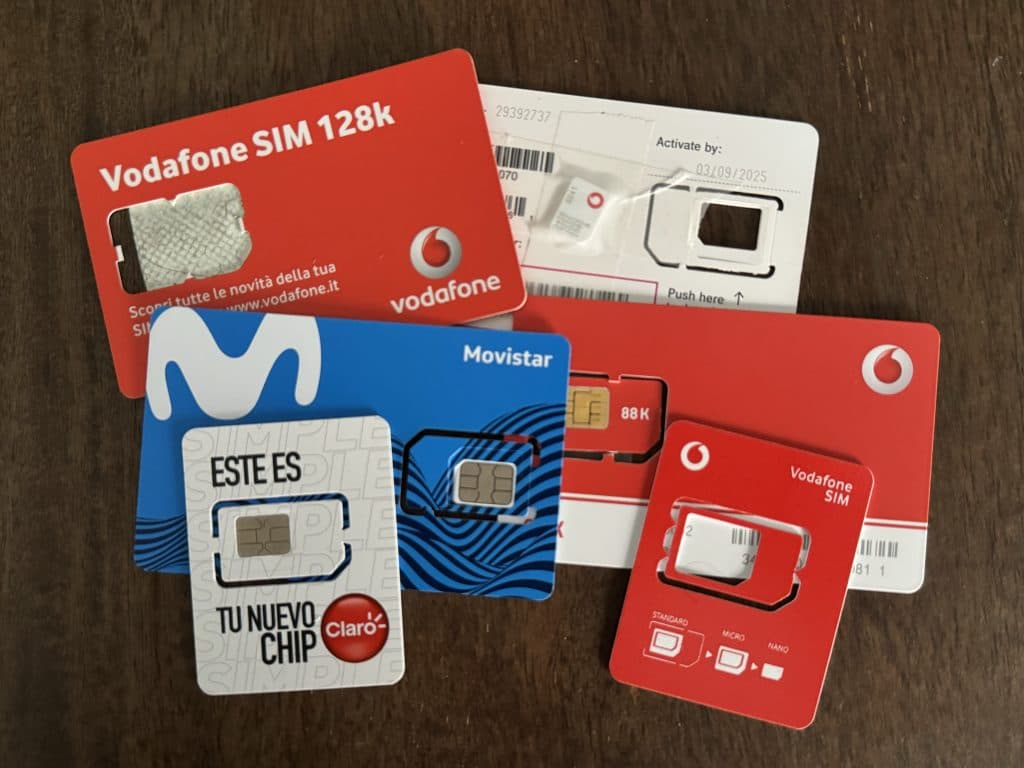
Prepaid plans require the user to pay for credit in advance. These are generally the most accessible option for short-term visitors or new arrivals who have not yet secured residency documents or a local bank account.
- Flexibility: No long-term commitment or monthly bills.
- Registration: Under Spanish law (Ley 25/2007), all SIM cards must be registered with a valid ID. Anonymous SIM cards are prohibited.
- Top-ups: Credit can be added online, at supermarkets, tobacco shops (Estancos), or gas stations.
Contract Plans (Contrato)
Contracts typically offer lower rates for data and calls compared to prepaid plans but involve a monthly billing cycle. Many providers offer "Convergent Packages" (Combinados) which bundle mobile services with home fiber internet.
- Billing: Payments are automatically deducted from a Spanish bank account.
- Duration: Some contracts require a minimum stay (permanencia) of 12 to 24 months, particularly if a discounted handset is included.
- Requirements: Requires a NIE (Foreigner Identity Number) or TIE (Foreigner Identity Card).
Major Mobile Operators
The Spanish market consists of Network Providers (those who own the physical infrastructure) and Mobile Virtual Network Operators (MVNOs), which lease capacity from the major networks.
Network Owners
- Movistar (Telefónica): The largest operator with the widest coverage, particularly in remote areas.
- Orange & MasMovil (MasOrange): Following their merger, they represent the largest customer base in Spain.
- Vodafone Spain: Known for robust 5G deployment in major metropolitan areas.
Mobile Virtual Network Operators (MVNOs)
MVNOs often provide more competitive pricing for data-heavy plans. Popular options include:
- Digi Mobil: High-growth provider using the Movistar network.
- Pepephone: Known for transparent pricing and customer service.
- Lowi: A low-cost subsidiary of Vodafone.
- O2: A premium low-cost brand owned by Telefónica.
Requirements for Foreigners
The documentation required to obtain a SIM card varies based on the type of plan and the individual's legal status in Spain.
Documentation for Prepaid
To purchase a prepaid SIM card, a foreigner must present one of the following:
- Valid Passport.
- EU National Identity Card.
- Spanish NIE or TIE.
Documentation for Contracts
Securing a contract is more stringent. Most operators require:
- Identity: A valid NIE or TIE. Most operators will not accept a passport for a monthly contract.
- Banking: A Spanish bank account (IBAN) for direct debit payments.
- Proof of Address: Occasionally required, such as a rental agreement or utility bill, though less common now for SIM-only plans.
Costs and Tariffs
Prices in the Spanish mobile market are highly competitive. As of early 2026, typical pricing structures are as follows:
- Budget Prepaid: 10 GB to 20 GB of data for approximately 10 EUR ($10.50 USD, Jan 2026) per month.
- Mid-Range Contract: 50 GB to 100 GB for approximately 15 EUR to 25 EUR ($15.75 to $26.25 USD, Jan 2026).
- Unlimited Data Plans: High-speed unlimited data typically ranges from 30 EUR to 50 EUR ($31.50 to $52.50 USD, Jan 2026) depending on the operator and 5G availability.
International Roaming and Calls
As Spain is a member of the European Union, the "Roam Like at Home" regulations apply. This means that data, calls, and SMS used while traveling within the EEA (European Economic Area) are deducted from the standard domestic allowance at no extra cost, subject to "fair use" policies.
Note: Calling a foreign number (e.g., calling the UK or USA from Spain) is considered an international call and is not covered by EU roaming rules. These calls incur additional per-minute charges unless an international calling add-on is purchased.
Practical Steps to Get Connected
- Verify Phone Compatibility: Ensure the device is "unlocked" and supports European GSM frequencies (standard for most modern smartphones).
- Choose an Operator: Compare coverage in your specific area using tools like the CNMC official website.
- Visit a Store or Order Online: Prepaid cards can be bought in person for immediate activation. Contracts can be initiated online, but the SIM card will be mailed to a Spanish address.
- Activation: Prepaid cards usually activate instantly upon registration. Contracts may take 24–48 hours for credit approval and porting if moving from another Spanish provider.
Emergency Numbers
In Spain, the universal emergency number is 112. This number is free of charge and can be dialed from any mobile phone, even without a SIM card inserted or if the phone is locked.