
Introduction to Spanish Administrative Requirements
Relocating to Spain requires careful administrative preparation. The Spanish bureaucratic system, often referred to as extranjería for matters concerning foreign nationals, relies heavily on the presentation of original, legalized, and translated documents. Failure to provide the correct paperwork can lead to delays in obtaining residency, opening bank accounts, or securing housing.
As of 2025 and moving into 2026, the Spanish government has increasingly digitized its processes, but physical documents with specific legalizations remain the standard for initial applications. This guide outlines the essential paperwork you must organize in your country of origin before arriving in Spain.

Core Identity and Travel Documents
Your primary identification is the cornerstone of every administrative process in Spain, from registering at the town hall (padrón) to applying for a Foreigner Identity Number (NIE).
- Passport: Must be valid for at least six months beyond your intended date of entry. It is recommended to have at least two blank pages. If your passport is near expiry, renew it before applying for any Spanish visa.
- Visa: For non-EU/EEA/Swiss citizens, the specific visa (Digital Nomad, Golden Visa, Student, or Non-Lucrative) must be affixed to the passport. The visa application fee is generally around 80 EUR ($84 USD, Jan 2026), though this varies by nationality and specific visa type.
- ID Photos: Bring several passport-sized photographs (3x4 cm) with a plain white background. While available in Spain, having them ready facilitates immediate administrative appointments.
Civil Status and Family Documentation
If you are moving with family members or intend to apply for residency based on family ties, you must provide proof of relationship. These documents must be "recent"—usually issued within the last three to six months to be considered valid by Spanish authorities.
Birth and Marriage Certificates
Birth certificates are required for all family members. Marriage certificates or certificates of civil partnership are mandatory for spouses. If you are divorced, a final divorce decree may be required, especially if you are moving with children from a previous relationship.
Legalization and the Hague Apostille
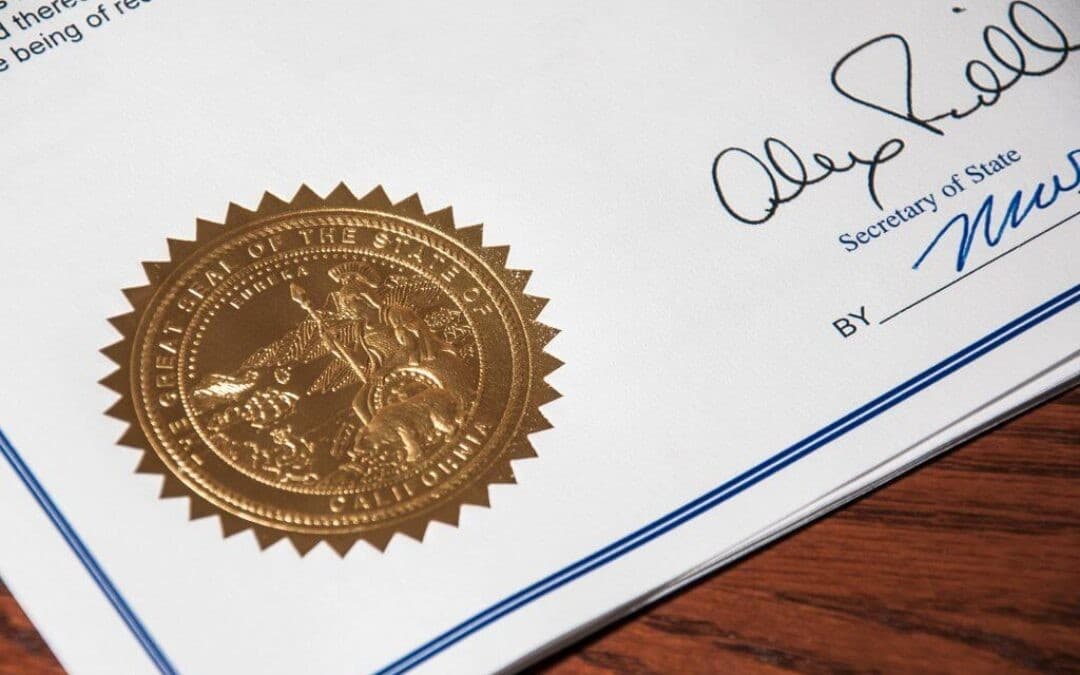
Documents issued outside of Spain must be legalized to be recognized. If your country is a member of the Hague Convention, you must obtain an Apostille stamp on the original document. If your country is not a member, the document must be legalized through the Spanish Consulate in that country and the Ministry of Foreign Affairs.
Note: Multi-lingual "International" certificates issued by some EU countries may not require an Apostille or translation. Check the European Union's official portal for specific exemptions.
Professional and Educational Records
For those moving to Spain for work, or those who intend to have their foreign qualifications recognized (homologación or equivalencia), specific academic paperwork is necessary.
- University Degrees and Diplomas: These must be original and bear the Hague Apostille.
- Academic Transcripts: Often required alongside the degree to prove the duration and content of the studies.
- Professional Licenses: If you practice a regulated profession (e.g., medicine, law, engineering), bring proof of your professional standing and license.
Legal and Health Requirements
Spain maintains strict requirements regarding the character and health of long-term residents. These documents are typically required during the visa application process but should be kept for the first residency card (TIE) appointment.
Criminal Record Certificates
Applicants of legal age must provide a criminal record certificate from every country they have resided in during the last five years. This document must be Apostilled and is usually only valid for 90 to 180 days from the date of issue.
Medical Certificates
Some visas require a medical certificate stating that the applicant does not suffer from any diseases that could have serious public health implications in accordance with the International Health Regulations of 2005. This must be signed by a registered medical practitioner.
Financial and Employment Proof
To reside in Spain, you must demonstrate "sufficient economic means" to support yourself and your dependents without relying on the Spanish social welfare system.
- Bank Statements: Typically, the last 6 to 12 months of statements, stamped by the bank.
- Proof of Income: This includes employment contracts, pension statements, or investment income records.
- Tax Returns: The last two years of tax filings from your home country are often requested for Digital Nomad or Non-Lucrative visas.
Sworn Translations (Traducción Jurada)
Any document not written in Spanish must be translated by a translator certified by the Spanish Ministry of Foreign Affairs, European Union and Cooperation. These are known as traductores jurados. Translations done by non-certified translators or agencies outside of Spain may be rejected unless they are legalized by the Spanish Consulate.
Estimated cost for a sworn translation in 2026: 40 EUR to 80 EUR ($42 USD to $84 USD, Jan 2026) per page, depending on the complexity and language pair.
Practical Checklist for Departure
Before leaving your home country, ensure you have completed the following steps:
- Verify all Apostilles are attached to original documents, not copies.
- Create high-resolution digital scans of every document and upload them to a secure cloud storage service.
- Bring at least three physical photocopies of every document (including every page of your passport).
- Check the expiration dates of all certificates; most Spanish offices will not accept civil or criminal records older than 3 or 6 months.
External Resources
For the most current information on specific visa requirements and document legalization, consult the following official sources: