
Overview of University Admissions in Spain
Higher education in Spain is divided into public and private universities, both following the European Higher Education Area (EHEA) standards. For foreign nationals, the admission process depends significantly on the country where they obtained their secondary school diploma or previous university degree. For the 2025/2026 academic year, the system remains centralized through regional platforms for public universities, while private institutions maintain independent admission criteria.
International applicants are generally categorized into two groups: those from European Union (EU) member states or countries with reciprocity agreements, and those from non-EU countries. Each group follows a distinct path for credential recognition and application submission.

The Role of UNEDasiss
For most international students, the UNEDasiss portal is the mandatory gateway for undergraduate admissions. UNEDasiss is a service managed by the Universidad Nacional de Educación a Distancia (UNED) that evaluates academic records and issues the Acreditación. This document converts a student's home country grades into the Spanish 10-point scale.
Accreditation Types
- EU/Reciprocity Students: These applicants typically receive a direct conversion of their grades without additional entrance exams, provided their diploma grants university access in their home country.
- Non-EU Students: These applicants may be required to take Specific Competency Tests (Pruebas de Competencias Específicas or PCE) to increase their admission score, especially for competitive programs like medicine or engineering.
The base cost for a standard UNEDasiss accreditation in 2025 is approximately 115 EUR ($124 USD, Jan 2026). Additional fees apply for each PCE subject exam, typically costing around 40 EUR ($43 USD, Jan 2026) per subject.
Required Documentation
All documents issued in a foreign language must be accompanied by a sworn translation into Spanish. Furthermore, documents from outside the EU must usually be legalized via the Apostille of the Hague or through diplomatic channels.
Standard Application Package
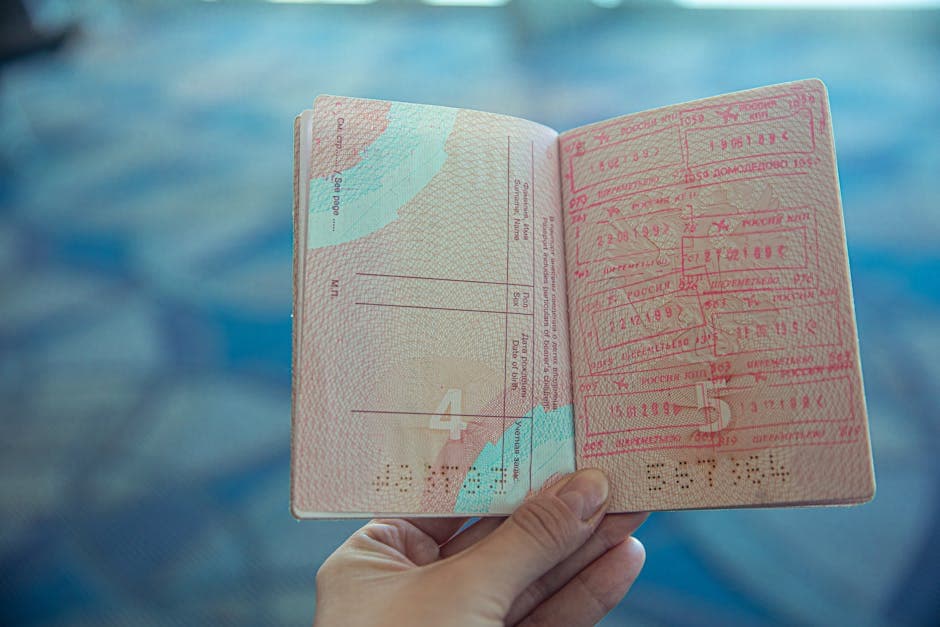
- Identification: A valid passport or TIE (Tarjeta de Identidad de Extranjero).
- Academic Records: Certified copies of the high school diploma or university transcripts.
- Homologación/Equivalencia: For non-EU students, proof of having started the "Homologación" process with the Ministry of Education is often required.
- Language Proficiency: Most universities require a B2 level in Spanish (DELE or SIELE) for programs taught in Spanish, or an equivalent English certificate (TOEFL/IELTS) for English-taught degrees.
Note: Requirements for Master's and PhD programs are handled directly by the specific university department rather than the centralized UNEDasiss system.

Application Phases and Deadlines
Admissions for public universities in Spain follow a strict calendar divided into two main periods. Missing the first phase significantly reduces the chances of placement in high-demand courses.
Admission Timeline
- Ordinary Phase (June/July): The primary intake for most students. Applications usually open in June, with results published in mid-July.
- Extraordinary Phase (September): This phase is only for programs that still have vacant seats after the ordinary phase. It is not available for highly competitive degrees.
For the 2025/2026 cycle, students should begin the UNEDasiss accreditation process between February and May to ensure documents are processed before the university "Preinscripción" (pre-registration) deadlines. Failure to provide the accreditation on time may result in the application being moved to the extraordinary phase.