
Pet Relocation Basics for Spain
Relocating to Spain with domestic animals involves adhering to strict sanitary and administrative protocols established by the European Union and the Spanish Ministry of Agriculture, Fisheries and Food (MAPA). These regulations are designed to prevent the introduction of diseases such as rabies and to ensure the welfare of the animals during transport.
The requirements for entry vary significantly depending on the country of origin. For the purposes of Spanish law, countries are divided into two main categories: Member States of the European Union (EU) and "Third Countries" (non-EU). Foreign nationals must ensure all veterinary procedures are completed in the correct chronological order to avoid quarantine or deportation of the pet at the border.
Mandatory Health Requirements
Regardless of the country of origin, all dogs, cats, and ferrets entering Spain must meet specific health criteria. These procedures must be documented by an authorized veterinarian in the country of departure.
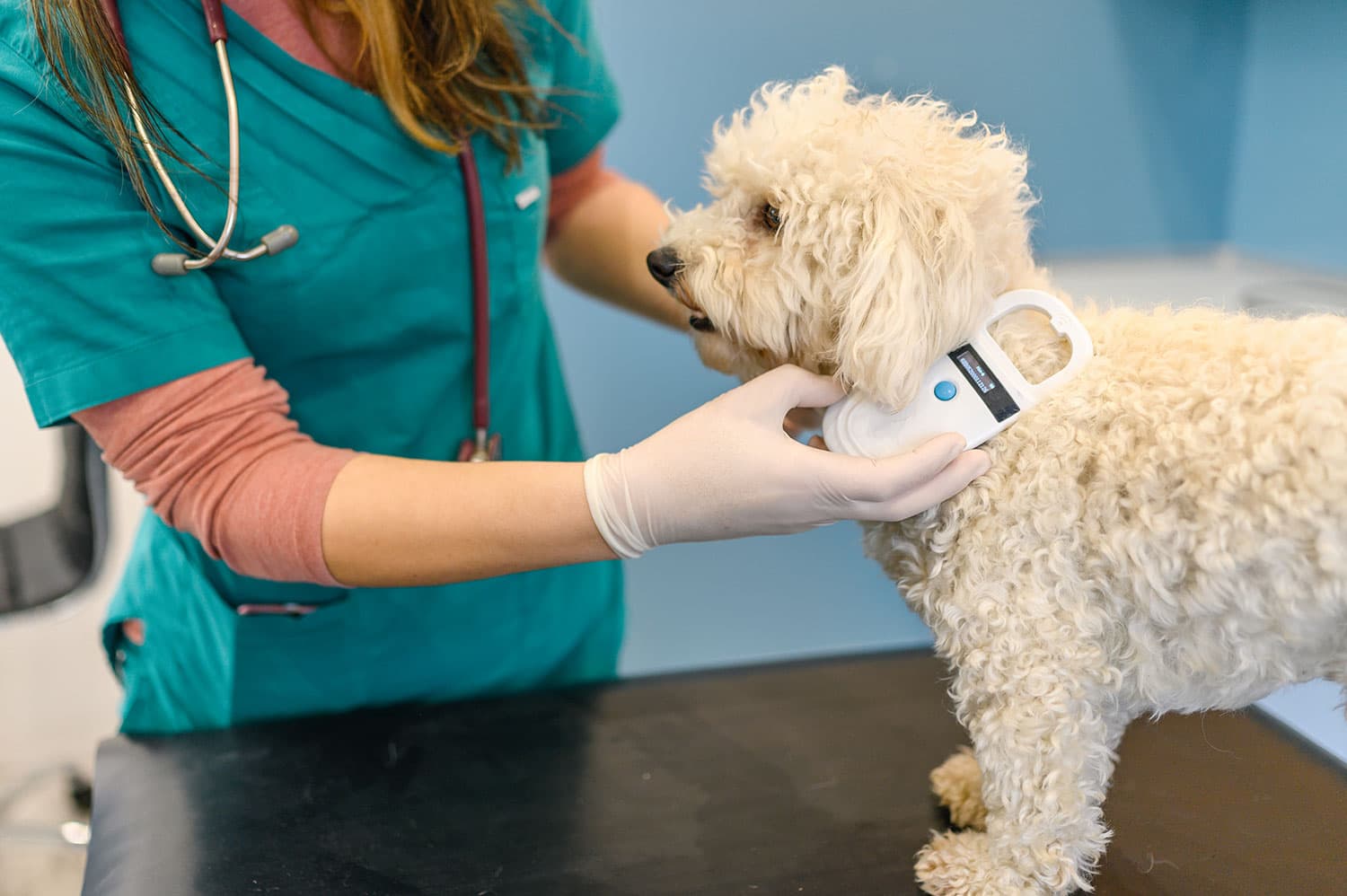
Identification and Microchipping
Every pet must be identified with a microchip. To be valid for entry into Spain, the microchip must meet the following criteria:
- It must comply with ISO Standard 11784 or Annex A of ISO Standard 11785.
- The microchip must be implanted before or on the same day as the rabies vaccination.
- If the microchip does not meet ISO standards, the owner must provide a compatible reader.
Rabies Vaccination
Vaccination against rabies is mandatory for all pets over 12 weeks of age. For the vaccine to be legally recognized for travel:
- The animal must be at least 12 weeks old at the time of administration.
- The vaccine must be administered by an authorized veterinarian.
- A period of at least 21 days must elapse after the first vaccination (primary vaccination) before the pet can enter Spain.
- Booster shots are valid from the day of administration, provided the previous vaccine's validity had not expired.
Documentation by Origin
The paperwork required for entry depends on whether the pet is traveling from within the EU or from a non-EU country.
Traveling from EU Member States
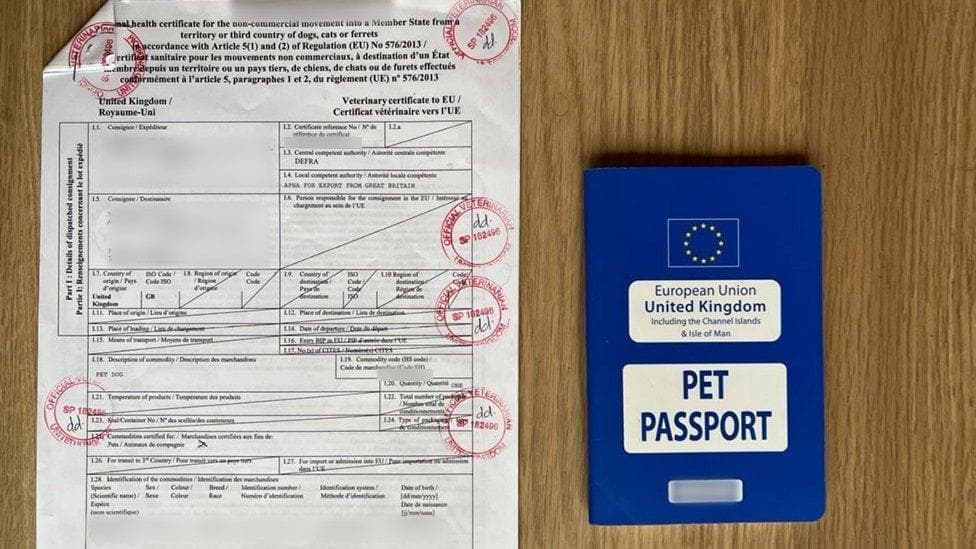
Pets originating from EU countries must travel with a European Pet Passport. This document is standardized across the Union and serves as permanent proof of identification and vaccination status. It must be issued by a veterinarian authorized by the competent authority of the country of origin.
Traveling from Non-EU (Third Countries)
For pets arriving from outside the EU, the requirements depend on the rabies risk level of the country of origin:
- Listed Third Countries: (e.g., USA, UK, Canada, Australia). Owners must provide an Animal Health Certificate (Certificado Zoosanitario) signed by an official veterinarian of the exporting country. This certificate is valid for 10 days for entry into the EU and for 4 months for internal EU movement.
- Unlisted Third Countries: (High-risk areas). In addition to the health certificate, a Rabies Antibody Titre Test is required. The blood sample must be taken at least 30 days after vaccination and 3 months before travel. The result must show a neutralising antibody level of at least 0.5 IU/ml.
The 2023 Animal Welfare Law
Foreign nationals should be aware of the "Ley de Bienestar Animal" (Animal Welfare Law), which came into effect in late 2023. This law imposes new obligations on pet owners residing in Spain:
- Mandatory Civil Liability Insurance: All dog owners, regardless of the breed, must hold a civil liability insurance policy for damages to third parties. The cost typically ranges from 30 EUR ($31.50 USD, Jan 2026) to 60 EUR ($63 USD, Jan 2026) per year.
- Registration: Pets must be registered in the pet identification registry of the specific Autonomous Community where the owner resides (e.g., RAIA in Andalusia, AIAC in Catalonia).
- Prohibited Species: The law prohibits the keeping of certain invasive or dangerous species as pets. Foreigners should verify the "positive list" of allowed animals before attempting to import exotic species.
Logistics and Transport
The method of transport dictates additional rules, particularly concerning the safety and comfort of the animal.
Air Travel
Airlines typically follow the International Air Transport Association (IATA) Live Animals Regulations. Pets may travel in the cabin (if under 8kg, including the carrier) or in the hold as manifest cargo or excess baggage. Fees vary significantly by airline, often ranging from 50 EUR ($52.50 USD, Jan 2026) for domestic/short-haul cabin travel to over 400 EUR ($420 USD, Jan 2026) for long-haul hold transport.
Entry Points and Inspection
Pets arriving from non-EU countries must enter through a designated Point of Entry for Passengers (Puerto o Aeropuerto autorizado). Owners may be required to notify the border inspection post (PIF) via the CEXGAN portal or equivalent systems before arrival.
Estimated Costs and Fees
The financial cost of relocating a pet involves several administrative and medical fees. These figures are estimates based on standard 2025/2026 rates:
- Microchip and Initial Rabies Vaccine: 60 EUR - 100 EUR ($63 - $105 USD, Jan 2026).
- EU Pet Passport: 20 EUR - 50 EUR ($21 - $52.50 USD, Jan 2026).
- Rabies Titre Test (if required): 150 EUR - 250 EUR ($157.50 - $262.50 USD, Jan 2026).
- Official Health Certificate Endorsement (Non-EU): Varies by country; typically 40 EUR - 100 EUR ($42 - $105 USD, Jan 2026).
Summary Checklist
Before traveling, ensure the following timeline is respected:
- Verify the species is allowed under the Spanish Animal Welfare Law.
- Implant the ISO-compliant microchip.
- Administer the rabies vaccine (must be after the microchip).
- Wait 21 days (for primary vaccines).
- Obtain the Titre Test (only for high-risk countries, 3 months in advance).
- Secure the Health Certificate or Pet Passport within the required window.
- Arrange transport in compliance with IATA or ferry regulations.
For more detailed information regarding specific breeds classified as "potentially dangerous" or for the full list of authorized entry points, visit the official website of the Ministry of Agriculture, Fisheries and Food (MAPA).