
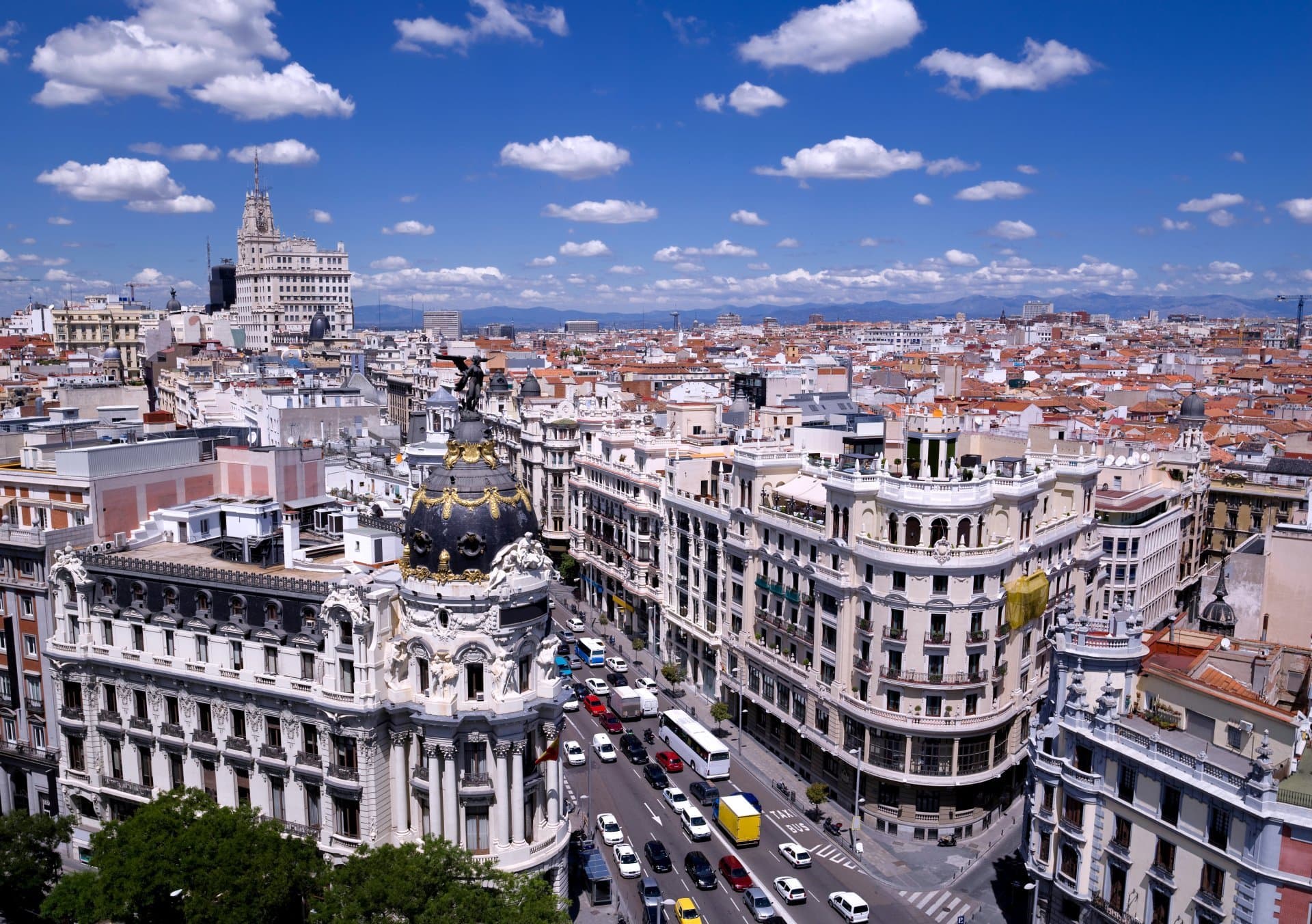
Living in Madrid, Spain: City Profile for Foreign Nationals
Madrid is the capital and largest city of Spain, located in the geographic center of the Iberian Peninsula. As the seat of the Spanish government and residence of the Spanish monarch, it serves as the country's political, economic, and cultural hub. For foreign nationals, Madrid offers the highest concentration of multinational employment opportunities in Spain, a vast public transportation network, and a fast-paced urban lifestyle that differs significantly from coastal regions.
Geography and Climate
Madrid is situated on the Meseta Central (Central Plateau) at an altitude of approximately 657 meters (2,155 feet), making it one of the highest capital cities in Europe. This geography dictates a continental Mediterranean climate with extreme seasonal variations.
- Summers (June–August): Hot and dry. Average highs regularly exceed 32°C (90°F), often reaching 38°C (100°F) or more during heatwaves. Humidity is generally low.
- Winters (December–February): Cold and dry. Nighttime temperatures frequently drop to roughly 2°C (36°F), and frost is common. Snowfall is occasional but not a yearly guarantee in the city center.
- Air Quality: Due to traffic density and geography, pollution protocols (anti-pollution scenarios) are occasionally activated, restricting vehicle access to the city center.
Population and Demographics
The municipality of Madrid has a population of approximately 3.4 million inhabitants, with the metropolitan area reaching roughly 6.8 million. It is the second-largest city in the European Union by population within city limits.
The city has a diverse international community, with around 15-20% of residents being foreign nationals. Significant populations include citizens from Venezuela, Romania, Colombia, China, and Morocco. English is widely spoken in business districts and tourist areas, but administrative interactions generally require Spanish.
Administrative Procedures for Foreigners
Navigating bureaucracy in Madrid requires specific appointments (cita previa) which are often in high demand.
Foreigners Office (Oficina de Extranjería)
Immigration procedures are distributed across several offices depending on the specific task (e.g., initial application vs. card issuance).
- Avenida de los Poblados (Aluche): The most well-known office (address: Av. de los Poblados, s/n, 28047). This is the primary location for fingerprinting (toma de huellas) and collecting the TIE (Foreigner Identity Card).
- Calle Silva, 19: Often handles initial applications and information requests.
- Calle García de Paredes, 65: Typically handles student authorizations and other specific permits.
Municipal Registration (Empadronamiento)
Registration is processed at the Oficinas de Atención a la Ciudadanía (Lineamadrid). Appointments are mandatory and can be booked online or by calling 010 (within Madrid).
- Requirements: Valid passport/ID and proof of housing (rental contract or authorization from the owner).
- Locations: Offices are available in every district (e.g., Centro, Salamanca, Chamberí, Retiro).
Neighborhoods and Districts
Madrid is divided into 21 districts. Choices for foreign residents often depend on budget, proximity to work/university, and lifestyle preferences.
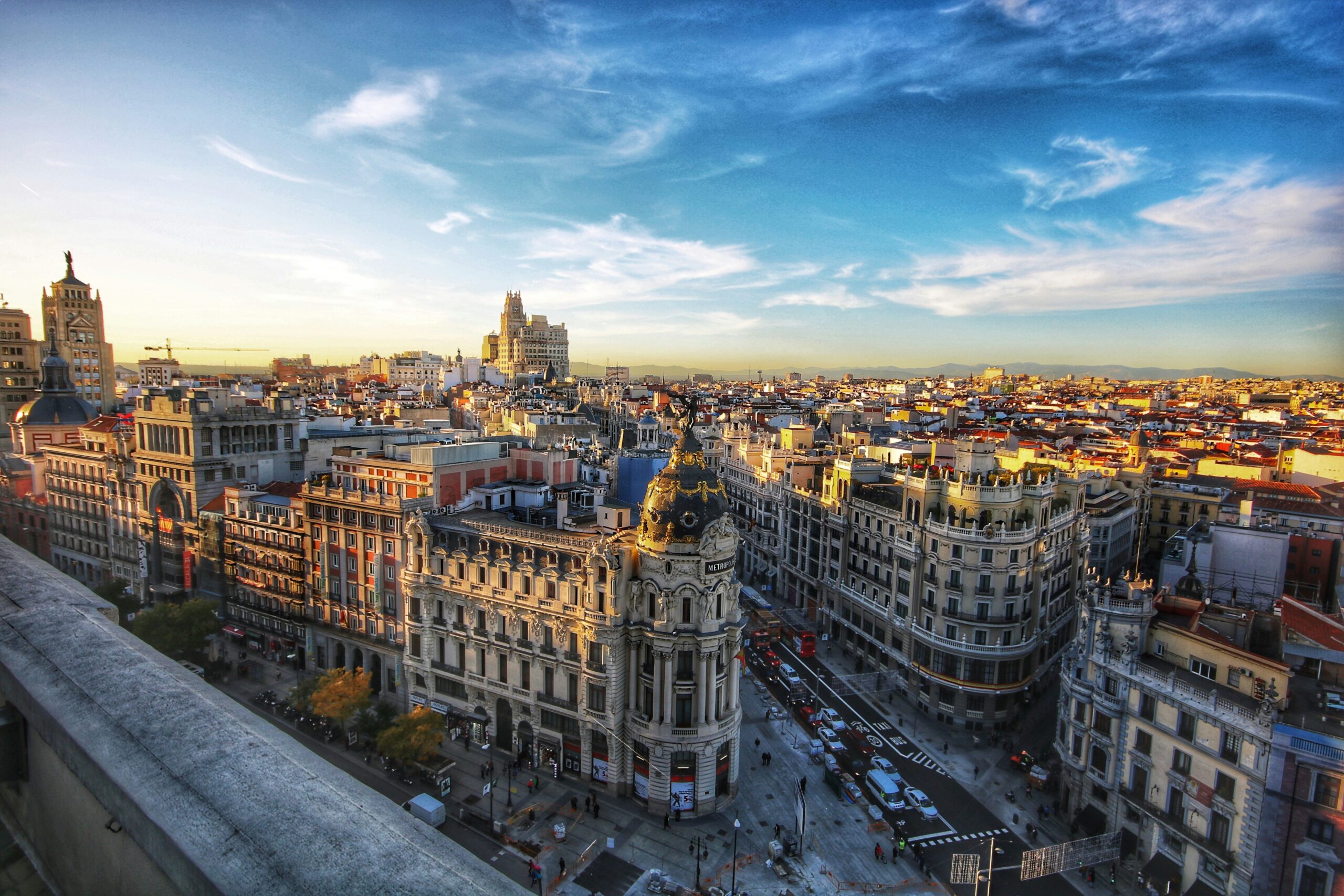
Salamanca
The most exclusive and expensive residential area, known for its grid layout, luxury shopping (Golden Mile), and embassies. It is quiet, safe, and features high-end classical architecture.
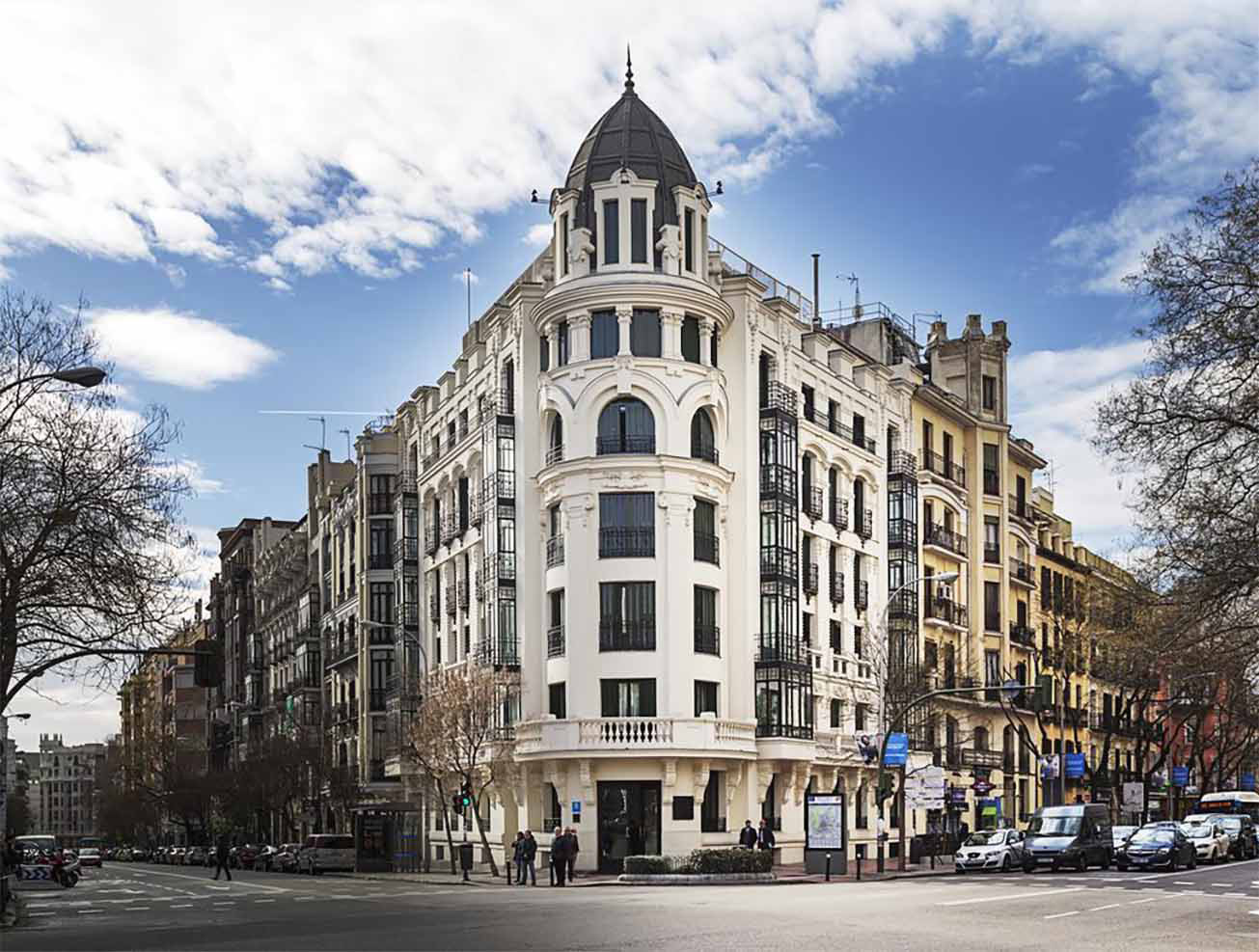
Chamberí
A traditional, upper-middle-class residential district popular with families and young professionals. It maintains a "neighborhood feel" with traditional markets and plazas (e.g., Plaza de Olavide) while being walking distance from the center.
Malasaña and Chueca (Centro)
Located in the heart of the city. These areas are known for nightlife, vintage shops, and a vibrant, noise-heavy atmosphere. Housing stock is older, often lacking elevators (lifts) or central heating.
Usera
Located south of the Manzanares River. Known as Madrid's "Chinatown," it offers significantly lower rents and diverse culinary options. It is a working-class area with fast metro connections to the center.
Housing and Rent Costs
Madrid is one of the most expensive cities in Spain for housing. Competition for quality apartments is high, and units often rent within hours of being listed.
Note: Prices below are estimates based on market data from late 2025. Currency conversions are calculated at an approximate rate of €1.00 = $1.04 USD.
- 1-Bedroom Apartment (City Center/Premium Areas): €1,200 – €1,600 ($1,248 – $1,664 USD) per month.
- 1-Bedroom Apartment (Outside M-30 Ring Road): €850 – €1,100 ($884 – $1,144 USD) per month.
- Room in a Shared Flat: €450 – €700 ($468 – $728 USD) per month.
Note on "Interior" Flats: Many apartments in Madrid are "interior," meaning windows open onto a small internal courtyard rather than the street. These are quieter but offer less natural light.
Transportation
Madrid possesses one of the most efficient public transport systems in Europe, managed by the Consorcio Regional de Transportes de Madrid.
Metro de Madrid
The subway system has over 300 stations. It operates from 6:00 AM to 1:30 AM daily. It is the fastest way to move within the city center (Zone A).
Cercanías (Commuter Trains)
Run by Renfe, these trains connect the city center (Sol, Atocha, Chamartín) to the suburbs and satellite towns. It is faster than the Metro for long distances.
Travel Cards
The Tarjeta Transporte Público (TTP) is a contactless card used for all modes of transport.
- Personal Monthly Pass (Abono): Residents under 26 years old pay a flat reduced rate (approx. €8-€20 depending on current subsidies) for all zones. Adults (26+) pay according to zones (Zone A is the main city municipality).
- Tourist/Single Tickets: Can be loaded onto a "Multi" card (non-personal).
Airport
Adolfo Suárez Madrid-Barajas Airport (MAD) is a major international hub. It is connected to the city by Metro (Line 8), Cercanías train (C-1, C-10), and the 24-hour Airport Express bus.
Cost of Living
While expensive for Spain, Madrid remains cheaper than London, Paris, or New York.
Food and Dining: The "Menú del Día" (Menu of the Day) is a standard lunch option on weekdays, offering a starter, main, drink, and dessert/coffee for €12 – €16 ($12.50 – $16.60 USD). A draught beer (caña) typically costs €2.50 – €4.00 ($2.60 – $4.16 USD).
Utilities: For an 85m² apartment, basic utilities (electricity, water, heating) average €120 – €180 ($125 – $187 USD) per month. Air conditioning use in summer significantly increases electricity bills.
Education: Schools and Universities
Universities
Madrid hosts several prestigious public universities, including the Complutense University of Madrid (UCM), Autonomous University of Madrid (UAM), and Carlos III University. Several top-tier business schools (IE Business School, ESADE presence) are also located here.
International Schools
There is a wide selection of international schools, primarily located in the northern suburbs (La Moraleja, Pozuelo, Aravaca).
- American School of Madrid (ASM): Located in Pozuelo de Alarcón.
- Runnymede College: A British education provider in La Moraleja.
- Lycée Français de Madrid: Located near the Conde de Orgaz area.
Healthcare
Public healthcare in Madrid is managed by SERMAS (Servicio Madrileño de Salud). Residents with social security contributions are assigned a health center (Centro de Salud) and a GP.
- Major Hospitals: La Paz, Gregorio Marañón, and 12 de Octubre are among the largest and most technically advanced in the country.
- Private Healthcare: Due to potential wait times for specialists in the public system, many expats and locals carry private insurance (e.g., Sanitas, Adeslas, Mapfre). Clinics are widely available throughout the city.