
Airport-to-City Transport in Spain
Spain maintains a highly developed infrastructure of international airports managed primarily by the state-owned company Aena. For foreign nationals arriving in the country, understanding the logistical transition from the terminal to the city center is a critical first step in the relocation process. Most major Spanish cities—including Madrid, Barcelona, Valencia, and Málaga—offer a variety of public and private transport modes designed to accommodate different budgets and luggage requirements.
Public Rail and Metro Systems
Rail transport is often the most efficient method for reaching city centers from Spain’s largest airports. These services are divided between the Metro (subway) and Cercanías/Rodalies (suburban heavy rail).
Madrid (Adolfo Suárez-Barajas)
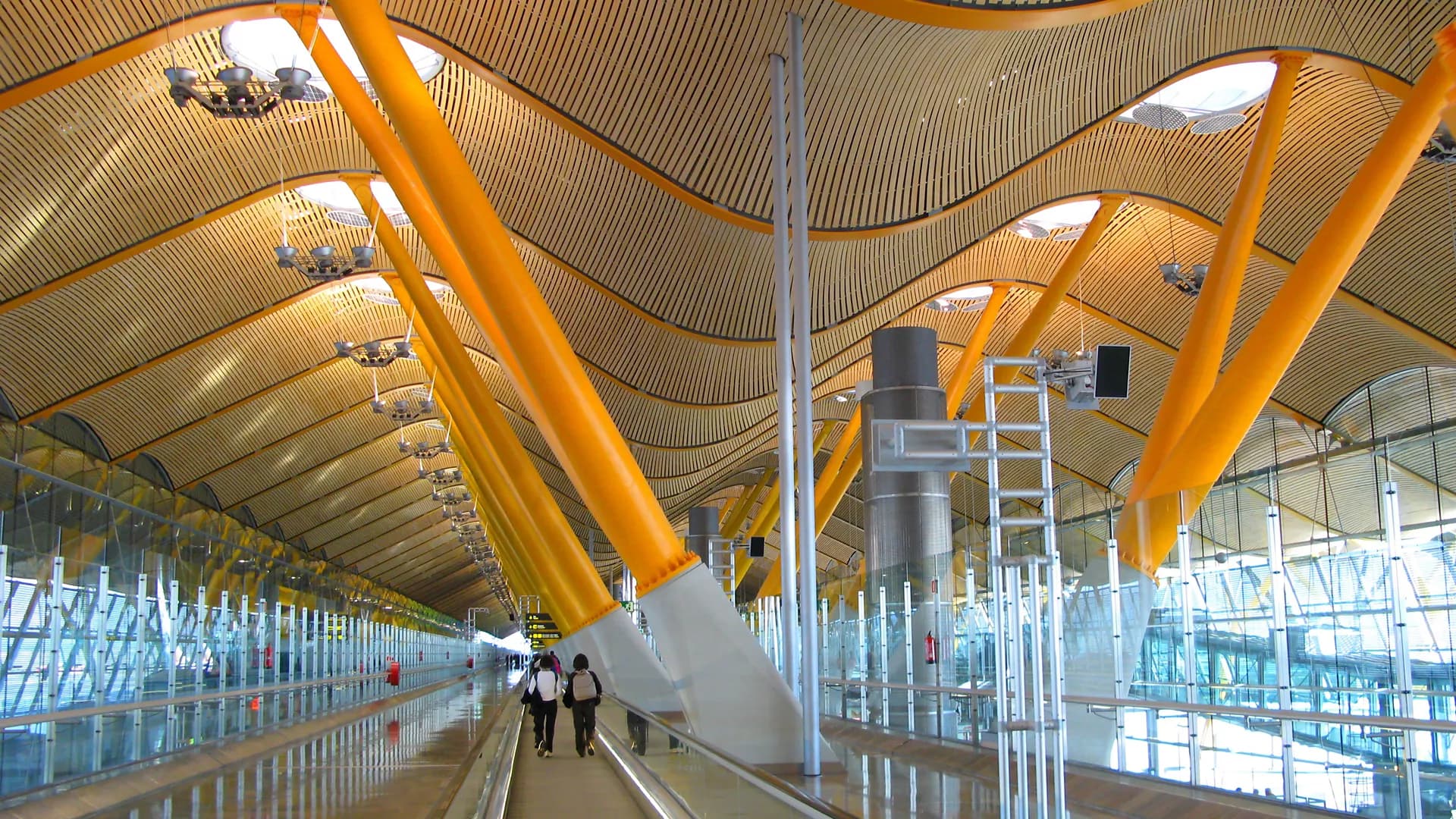
Madrid’s airport (MAD) is connected via Metro Line 8, which reaches the "Nuevos Ministerios" hub in approximately 12–15 minutes. Additionally, the Cercanías C-1 and C-10 lines connect Terminal 4 (T4) directly to major stations like Chamartín and Atocha. Note that a "Suplemento Aeropuerto" (Airport Supplement) is required for Metro users.
- Metro Ticket with Supplement: Approximately 4.50 EUR to 5 EUR ($4.73 USD to $5.25 USD, Jan 2026).
- Cercanías Single Ticket: 2.60 EUR ($2.73 USD, Jan 2026).
Barcelona (El Prat)
Barcelona (BCN) utilizes the L9 Sud Metro line, serving both T1 and T2. However, the Rodalies R2 Nord train service only departs from T2, connecting passengers to Sants and Passeig de Gràcia. Passengers arriving at T1 must take a free shuttle bus to T2 to access the train.
- Metro Airport Ticket: 5.50 EUR ($5.78 USD, Jan 2026).
- Train (Rodalies): Integrated into the zone-based fare system, approximately 4.60 EUR ($4.83 USD, Jan 2026) for a single ticket.
Dedicated Airport Bus Services
For those arriving outside of rail operating hours or traveling with heavy luggage, dedicated express buses provide a 24-hour or late-night alternative. These buses often feature more luggage space than standard city buses.
Express Airport Bus (Madrid)
The "Línea Express Aeropuerto" (Yellow Bus) operates 24/7, connecting all terminals to Cibeles and Atocha. During the night (23:30 to 06:00), the route terminates at Cibeles.
- Fare: 5 EUR ($5.25 USD, Jan 2026).
Aerobús (Barcelona)
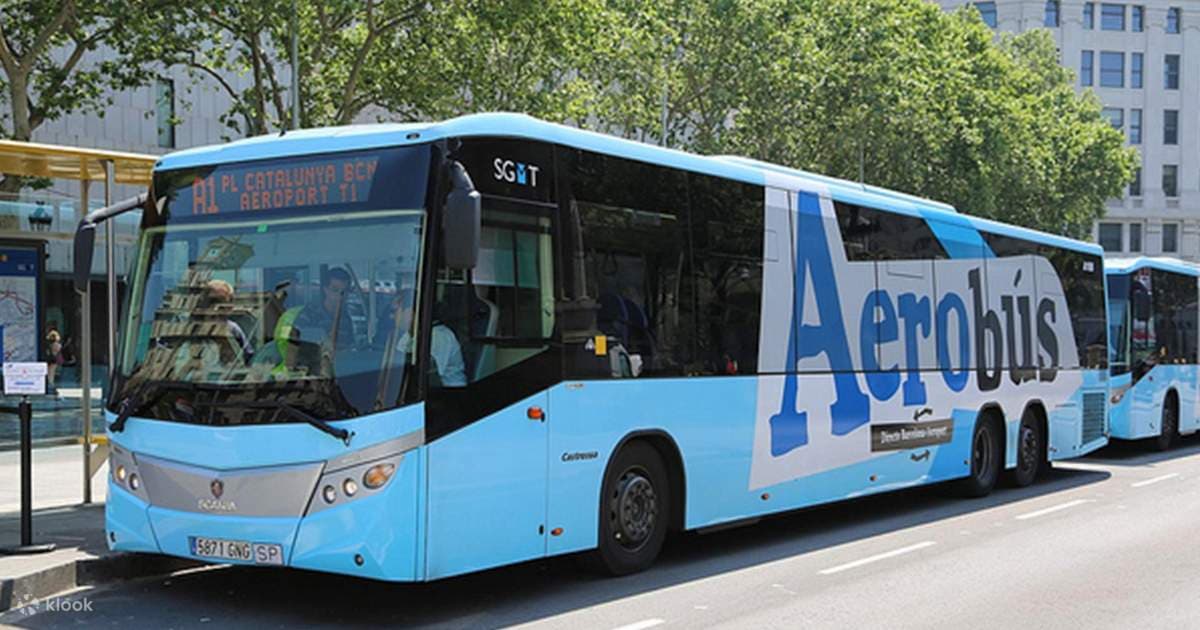
The Aerobús (A1 for T1, A2 for T2) is a private-public shuttle that runs every 5 to 10 minutes, connecting the airport to Plaça de Catalunya.
- Single Ticket: 6.75 EUR ($7.09 USD, Jan 2026).
- Return Ticket: 11.65 EUR ($12.23 USD, Jan 2026).
Taxis and Ride-Sharing
Taxis in Spain are strictly regulated. Official taxi ranks are located directly outside the arrivals halls of all terminals. Passengers should ignore individuals offering "private taxi" services inside the terminal and only use the official queue.
Fixed Rates and Metering
- Madrid: A fixed rate ("Tarifa 4") of 33 EUR ($34.65 USD, Jan 2026) applies to trips between the airport and any location inside the M-30 ring road (city center). There is no supplement for luggage.
- Barcelona: Taxis are metered. The minimum fare from the airport is 21 EUR ($22.05 USD, Jan 2026), including supplements.
Ride-Sharing Apps
Apps such as Uber, Cabify, and Bolt operate in major Spanish cities. These services often have designated pickup points in airport parking garages rather than the taxi rank. Prices fluctuate based on demand (surge pricing).
Practical Steps for New Arrivals
To ensure a smooth transition, foreign nationals are encouraged to follow these steps upon landing:
- Identify your Terminal: Spanish airports are large; ensure you know if you are at T1, T2, or T4, as transport options vary by terminal.
- Purchase a Transport Card: In Madrid, you must purchase a "Multi" card (2.50 EUR / $2.63 USD, Jan 2026) from machines to load tickets. In Barcelona, the T-Usual or T-Casual cards are popular, though some have restrictions for airport use.
- Validate your Ticket: Always validate your ticket at the turnstile or on the bus. Failure to do so results in heavy fines (approx. 100 EUR / $105 USD, Jan 2026).
- Official Information: For real-time updates and schedules, consult the official Aena Website.
Exceptions and Special Considerations
Most Spanish airport transport is fully accessible. Metro stations and Cercanías trains are equipped with elevators and designated spaces for wheelchairs.
Late-Night Arrivals
Standard Metro and Train services typically stop between 00:00 and 01:30 and resume around 06:00. If arriving during this window, the options are limited to the Express Bus (in Madrid), Aerobús (in Barcelona), or Taxis/Ride-sharing.
Regional Variations
In smaller airports like Alicante (ALC) or Seville (SVQ), rail connections may be non-existent. In these cases, the "C-6 Bus" (Alicante) or "EA Bus" (Seville) are the primary public transport links to the city centers.
- Seville EA Bus Fare: 4 EUR ($4.20 USD, Jan 2026).
- Alicante C-6 Bus Fare: 3.85 EUR ($4.04 USD, Jan 2026).