
Overview of Utilities in Spain
Setting up utilities in Spain involves dealing with both national private markets and local municipal monopolies. For foreign nationals, the process is standardized but requires specific documentation, most notably a Spanish bank account and a Foreigner Identification Number (NIE). As of 2026, the Spanish utility market remains highly digitized, with most providers offering English-language support and mobile application management.
Electricity Services
The Spanish electricity market is divided into two sectors: the regulated market (PVPC) and the free market. In the regulated market, prices fluctuate hourly based on the wholesale market. In the free market, consumers pay a fixed price or a tariff agreed upon by contract with the provider.
Key Electricity Concepts
- Potencia Contratada: This is the maximum power capacity (measured in kW) your home can use simultaneously. If you exceed this, the power will "trip." Higher capacity results in a higher fixed monthly fee.
- Time-of-Use Tariffs: Standard contracts often feature three time periods: Punta (peak/expensive), Llano (flat/intermediate), and Valle (valley/cheapest).
Major providers include Endesa, Iberdrola, and Naturgy. On average, a basic connection fee for a new property is approximately 50 EUR ($52.50 USD, Jan 2026), depending on the requested kW capacity.
Water Supply
Unlike electricity, water is managed locally. Each municipality usually has a single authorized provider. For example, in Madrid, the provider is Canal de Isabel II, while in Barcelona, it is Aigües de Barcelona.
Because these are monopolies, you cannot choose your provider. Bills usually arrive quarterly or bi-monthly and include a fixed service fee plus a variable rate based on consumption tiers. Setting up a new water contract generally requires a "Cédula de Habitabilidad" (Certificate of Occupancy), which confirms the property meets legal living standards.
Gas: Natural and Butano
Gas in Spain is used primarily for heating and cooking. It is delivered in two forms:
- Natural Gas: Piped directly into the home. This is common in urban areas and is billed monthly or bi-monthly by providers like Naturgy or Endesa.
- Butano (Bottled Gas): Common in older buildings or rural areas. These are orange canisters delivered by companies like Repsol or Cepsa. As of January 2026, a standard 12.5kg bottle of butane costs approximately 16.50 EUR ($17.33 USD, Jan 2026).
Internet and Telecommunications
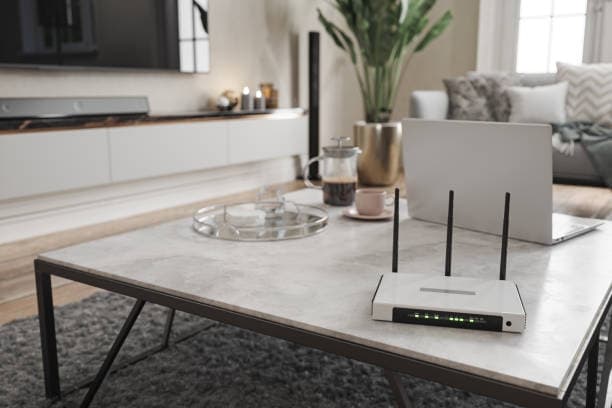
Spain possesses one of the most extensive fiber-optic (FTTH) networks in Europe. High-speed internet is widely available in cities, though rural areas may rely on 4G/5G home internet or satellite services like Starlink.
Types of Contracts
Most residents opt for "convergent" plans, which bundle fiber internet, a landline, and one or more mobile SIM cards. Major national operators include Movistar, Orange, and Vodafone. Budget-friendly providers like Digi and MasMovil have gained significant market share in 2025 and 2026.
Standard Costs: A 600Mbps fiber-only plan typically starts at 25 EUR ($26.25 USD, Jan 2026) per month. Convergent plans with mobile data range from 40 EUR to 70 EUR ($42.00 to $73.50 USD, Jan 2026).
Requirements for Setup
To register for utilities in Spain, you will generally need the following documentation:
- Identity: A valid Passport and your NIE (Número de Identidad de Extranjero). Some companies may accept a passport alone for temporary residents, but this is increasingly rare.
- Banking: A Spanish or SEPA-compliant (EU) bank account for direct debit (domiciliación bancaria). Most utility companies do not accept international credit cards for monthly billing.
- Property Proof: A rental contract (contrato de alquiler) or property deeds (escritura).
- CIE/Boletín Eléctrico: For electricity, if the property is over 20 years old or the power has been disconnected for a long time, a technician's certificate may be required to prove the installation is safe.
Practical Steps to Connect
- Identify Providers: Determine if you are taking over an existing contract (cambio de titular) or starting a new one (alta nueva). Taking over a contract is cheaper and faster as it avoids new connection fees.
- Gather Data: You will need the CUPS (Código Universal de Punto de Suministro) for electricity and gas. This 20-22 character alphanumeric code is found on previous bills for the property.
- Contact the Company: This can be done online, by phone, or in person at a "Punto de Servicio."
- Schedule Installation: For internet, a technician will usually visit within 2-5 business days. Electricity and water transfers are often handled remotely within 48 hours.
Exceptions and Special Cases
"If you are renting a room in a shared apartment, utilities are often included in the rent or managed by the primary tenant. In these cases, you do not need to set up accounts in your own name."
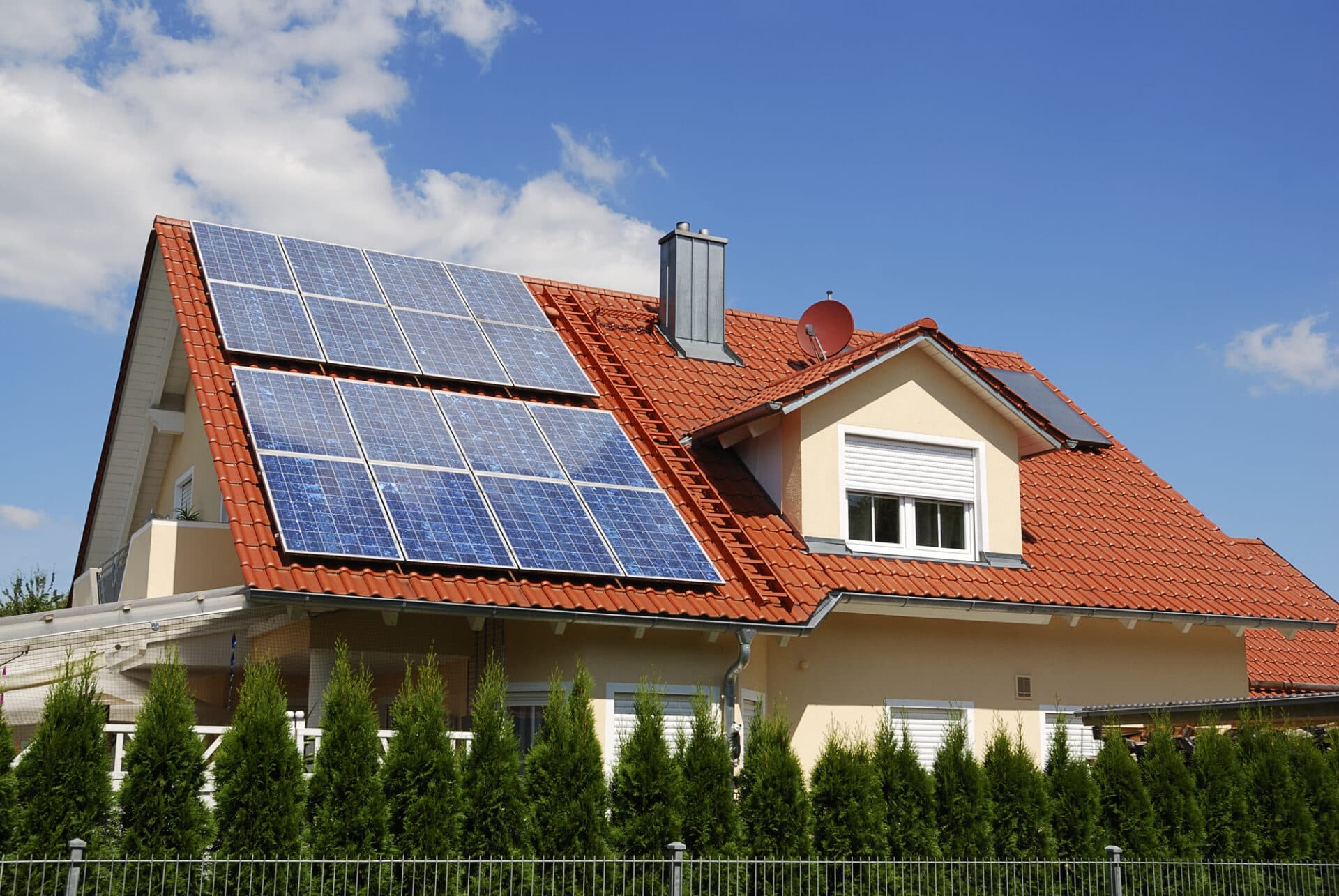
Solar Energy: If your property has solar panels, you may be eligible for "compensación de excedentes," where the utility company credits your bill for excess energy you feed back into the grid. This requires a specific type of contract and a compatible smart meter.
Non-Resident Status: If you do not yet have a NIE, some internet providers (like Movistar) may allow you to sign up using only a passport, though they may require a larger upfront deposit or a longer commitment.