
Understanding National ID and Tax Numbers in Spain
Navigating the administrative landscape in Spain requires a clear understanding of the identification systems for foreign nationals. In Spain, identity numbers serve both administrative and fiscal purposes. While the systems differ based on your nationality and residency status, every foreigner conducting economic or professional activities must be registered within the national database.
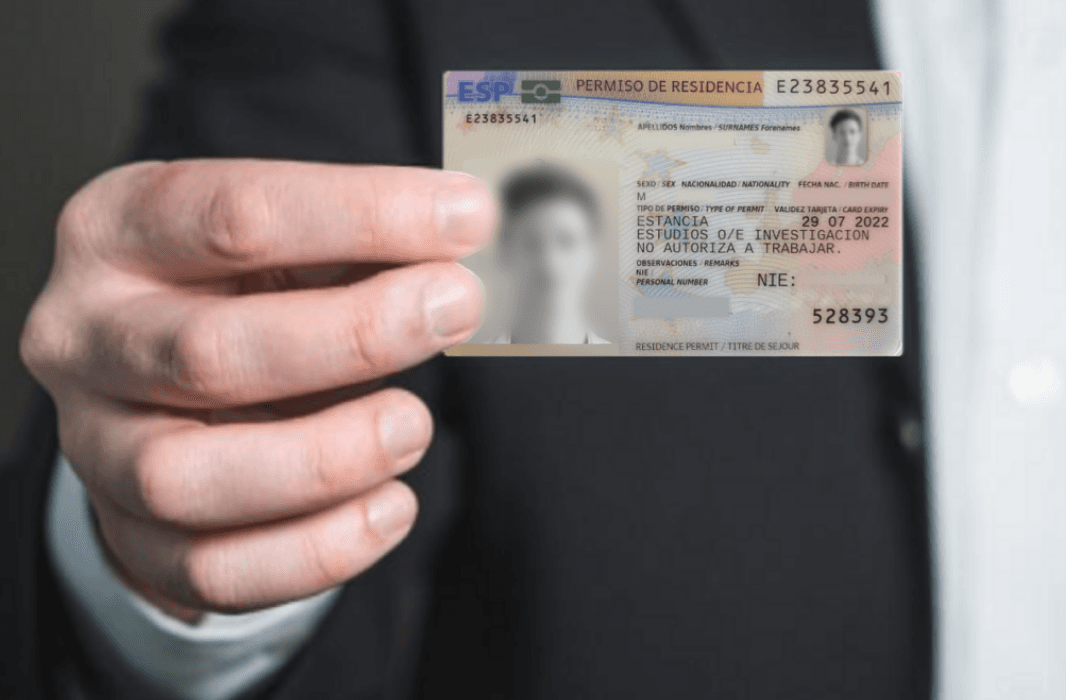
The NIE: Número de Identidad de Extranjero
The NIE is the "Foreigner Identity Number." It is a unique, personal, and exclusive sequential number assigned by the Dirección General de la Policía. It consists of a letter, seven digits, and a verification code (e.g., Y-1234567-X).
It is important to note that the NIE is a number, not a physical residency card. Having an NIE does not automatically grant the right to reside in Spain; it simply identifies the individual in the Spanish administrative system. You will need an NIE for:
- Opening a bank account.
- Buying or selling property or a vehicle.
- Signing a labor contract or registering for social security.
- Setting up utility contracts (water, electricity, internet).
- Paying taxes.
How to Obtain an NIE
The application process depends on whether the applicant is currently inside or outside of Spain:
- Outside Spain: Applications must be submitted to the Spanish Consular Office in the applicant's country of residence.
- Inside Spain: Applications are processed at the Oficina de Extranjería (Immigration Office) or specific National Police stations.
The standard administrative fee for an NIE (Form 790, Code 012) is approximately 9.84 EUR ($10.82 USD, Jan 2026).
The NIF: Número de Identificación Fiscal
The NIF is the Tax Identification Number. For foreign individuals, the NIF is identical to their NIE. When a person is asked for their NIF for tax purposes—such as filing an income tax return or issuing an invoice—they should provide their NIE.
If a foreigner does not have an NIE but needs to perform a one-time tax action (like inheriting property without residing in Spain), the Tax Agency (Agencia Tributaria) may issue a temporary "M" or "K" series NIF. However, for most residents, the NIE serves as the NIF throughout their stay in Spain.
Identification by Nationality: EU vs. Non-EU
While the NIE remains the identification number for all foreigners, the physical document that carries this number differs significantly based on the applicant's country of origin.
EU, EEA, and Swiss Citizens
Citizens of the European Union, European Economic Area, or Switzerland who intend to reside in Spain for more than three months must register in the Central Register of Foreign Nationals. They are issued a "Registration Certificate" (Certificado de Registro de Ciudadano de la Unión).
- Format: A small green paper card (often called the "Green NIE"). It does not contain a photograph and must be presented alongside a valid passport or national ID from the home country.
- Validity: Indefinite, though it must be updated if the individual's address or status changes.
- Cost: 12.00 EUR ($13.20 USD, Jan 2026).
Non-EU Citizens: The TIE
Non-EU citizens (Third Country Nationals) who have been granted a residence permit for more than six months are required to apply for the TIE (Tarjeta de Identidad de Extranjero).
The TIE is a physical biometric plastic card that serves as proof of legal residency. It contains the individual’s photo, NIE, type of residence permit, and fingerprints.
- Process: Once a residence visa or authorization is approved, the individual must book a "fingerprinting appointment" (toma de huellas) at a police station.
- Cost: Fees vary by permit type. A standard initial residency card fee is 16.08 EUR ($17.69 USD, Jan 2026), while long-term/permanent residency cards are 21.87 EUR ($24.06 USD, Jan 2026).
- Validity: Linked to the duration of the residency authorization (e.g., 1 year, 2 years, or 5 years).
Practical Steps for Application
To obtain your identification number or card in Spain, you must generally follow these steps:
Note: Procedures may vary slightly between provinces. Always verify local requirements on the official Cita Previa portal.
- Book an Appointment (Cita Previa): Most offices do not accept walk-ins. Appointments must be booked online through the Public Administration Portal.
- Complete Application Forms:
- Form EX-15: For NIE only.
- Form EX-18: For EU Registration.
- Form EX-17: For TIE issuance.
- Pay the Tax (Tasa): You must download Form 790 (Code 012), pay the fee at a bank or via an ATM, and bring the stamped receipt to your appointment.
- Prepare Documentation: Typically includes your passport (original and copy), the application form, proof of payment, and supporting documents (labor contract, proof of funds, or visa).
Frequently Asked Questions
Does the NIE expire?
The NIE number itself never expires; it is assigned to you for life. However, the physical certificates or cards (like the TIE or the EU Green Certificate) do have expiration dates or may require renewal to reflect current data.
Can I get an NIE remotely?
Yes, through a Spanish Consulate abroad or by granting a "Power of Attorney" (Poder Notarial) to a representative in Spain who can apply on your behalf.
What happens if I lose my card?
You must report the loss or theft to the police (Policía Nacional) and apply for a duplicate. The duplicate will have the same NIE and expiry date as the original but will require a new fee payment and fingerprinting.
Summary of Estimated Costs (2025/2026)
- NIE Number Assignment: 9.84 EUR ($10.82 USD, Jan 2026).
- EU Registration Certificate: 12.00 EUR ($13.20 USD, Jan 2026).
- Initial TIE Card (Non-EU): 16.08 EUR ($17.69 USD, Jan 2026).
- Long-term/Permanent TIE: 21.87 EUR ($24.06 USD, Jan 2026).