
Understanding the Spanish Economic Landscape
As of 2026, Spain remains one of the more affordable Western European nations, though costs vary significantly depending on the autonomous community and the size of the city. While the national average provides a baseline, living expenses in major hubs like Madrid and Barcelona are notably higher than in rural areas or smaller provincial capitals such as Murcia or Leon.

International residents must account for inflation and the varying tax structures across regions. This primer provides a breakdown of the primary categories of expenditure based on data from the National Statistics Institute (INE) and current market trends.
Housing and Accommodation Costs
Housing typically represents the largest portion of a resident's budget. In 2026, rental prices continue to reflect high demand in urban centers. Rental contracts in Spain are governed by the Urban Leasing Law (LAU), which dictates annual rent increases based on specific indices.
- One-bedroom apartment (City Center): 900 EUR to 1,500 EUR ($972 USD to $1,620 USD, Jan 2026) per month in Madrid or Barcelona.
- One-bedroom apartment (Outside City Center): 700 EUR to 1,100 EUR ($756 USD to $1,188 USD, Jan 2026) per month.
- Shared Room: 400 EUR to 650 EUR ($432 USD to $702 USD, Jan 2026) in major cities.
When renting, residents should also budget for a security deposit (fianza), which is legally equivalent to one month's rent for residential leases, and potentially an additional guarantee (garantía adicional).
Utilities and Services
Utility costs include electricity, water, gas, and waste management. In Spain, electricity prices can fluctuate based on the time of day if you are on a regulated market (PVPC) rate.
- Basic Utilities (85m² apartment): 130 EUR to 200 EUR ($140 USD to $216 USD, Jan 2026) per month.
- High-speed Fiber Internet: 30 EUR to 50 EUR ($32 USD to $54 USD, Jan 2026) per month.
- Mobile Phone Plan (Unlimited data): 20 EUR to 35 EUR ($21 USD to $38 USD, Jan 2026) per month.
Food and Grocery Expenses
Spain is a major producer of agricultural goods, which keeps the cost of fresh produce relatively stable compared to its neighbors. Shopping at local "mercados" (markets) often provides a cost-effective alternative to large supermarket chains.
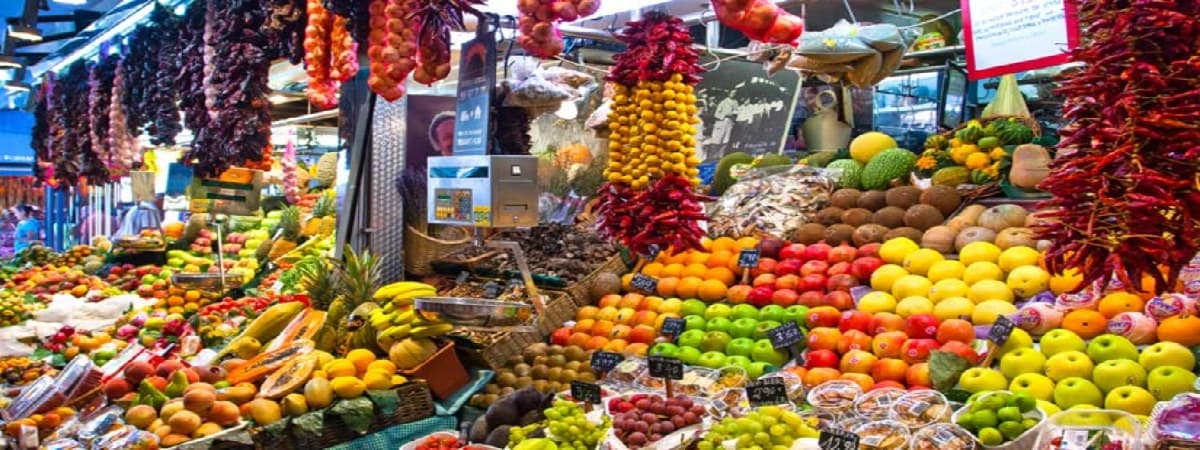
An average monthly grocery budget for a single person ranges from 250 EUR to 400 EUR ($270 USD to $432 USD, Jan 2026). Typical prices for staples include:
- Milk (1 Liter): 1.05 EUR ($1.13 USD, Jan 2026).
- Loaf of Bread: 1.20 EUR ($1.30 USD, Jan 2026).
- Eggs (12 units): 2.40 EUR ($2.59 USD, Jan 2026).
- Chicken Fillets (1kg): 7.50 EUR ($8.10 USD, Jan 2026).
Transportation and Mobility
Public transportation in Spain is extensive and highly subsidized. Most cities offer monthly passes (Abono Transporte) that cover buses, metros, and local trains (Cercanías).
- Monthly Public Transport Pass: 40 EUR to 55 EUR ($43 USD to $59 USD, Jan 2026), depending on the zones covered.
- Single Ticket: 1.50 EUR to 2.50 EUR ($1.62 USD to $2.70 USD, Jan 2026).
- Gasoline (1 Liter): 1.60 EUR to 1.85 EUR ($1.73 USD to $2.00 USD, Jan 2026).
Healthcare and Insurance
The cost of healthcare for foreigners depends heavily on residency status and the type of visa held. While Spain has a robust public healthcare system (Sistema Nacional de Salud), many expatriates are required to maintain private insurance for visa purposes.
Note: For the Digital Nomad Visa and the Non-Lucrative Visa, applicants must generally provide proof of private health insurance with "full coverage" and no co-payments from a provider authorized to operate in Spain.
- Private Health Insurance (Age 30-40): 50 EUR to 90 EUR ($54 USD to $97 USD, Jan 2026) per month.
- Social Security Contribution: If employed, this is deducted from your gross salary. For self-employed (autónomos), the minimum monthly quota starts around 230 EUR to 300 EUR ($248 USD to $324 USD, Jan 2026) depending on income.
Practical Steps for Budgeting
To ensure a smooth transition, prospective residents should follow these steps:
- Verify the IPREM: The Public Indicator of Multiple Effects Income (IPREM) is used by the Spanish government to determine the financial sufficiency of visa applicants. Check the current rates on the official IPREM website.
- Account for Regional Taxes: Wealth tax and IRPF (Income Tax) vary by region (e.g., Madrid has lower regional tax rates than Catalonia).
- Factor in Initial Setup: Budget for at least three months of rent upfront (one month rent, one to two months deposit).
Exceptions and Variations
The cost of living may vary based on specific circumstances:
- Students: May be eligible for discounts on transportation (Abono Joven) and museum entries.
- Retirees: Private healthcare costs increase significantly with age, often exceeding 150 EUR ($162 USD, Jan 2026) per month for those over 65.
- Digital Nomads: May benefit from the "Beckham Law" tax regime, which offers a flat tax rate for high earners, though this does not directly lower the daily cost of living.
- Location: Living in the Canary Islands or Balearic Islands involves different logistics and potentially higher costs for imported goods, though the Canary Islands use a different VAT system (IGIC) which is lower than the mainland VAT (IVA).