
Overview of Transportation in Spain
Spain possesses a highly developed transport infrastructure that ranks among the most efficient in Europe. For foreign nationals, navigating the country involves a combination of high-speed rail networks, localized metropolitan systems, and a regulated driving environment. The system is managed through both national entities, such as the Dirección General de Tráfico (DGT) and Renfe, and regional transport authorities.
Public Transport Networks
Public transportation in Spain is categorized into urban, regional, and long-distance services. Most major cities utilize integrated fare systems, allowing commuters to use a single card for buses, metros, and light rail.
Metro and Urban Buses
Madrid, Barcelona, Valencia, Bilbao, Seville, and Palma de Mallorca operate extensive metro systems. In these cities, the Consorcio de Transportes (Transport Consortium) regulates pricing and scheduling. Urban buses (EMT) complement the metro, typically operating from 06:00 to 23:30, with "Búho" (night bus) services available during late hours.
- Single Tickets: In Madrid or Barcelona, a single journey typically costs between 1.50 EUR and 2.50 EUR ($1.62 - $2.70 USD, Jan 2026) depending on the number of zones.
- Monthly Passes: A standard monthly pass for central zones (e.g., Madrid Zone A) is approximately 54.60 EUR ($58.97 USD, Jan 2026). Discounts are frequently available for youths (under 26) and seniors (over 65).
Rail Services: Renfe and High-Speed
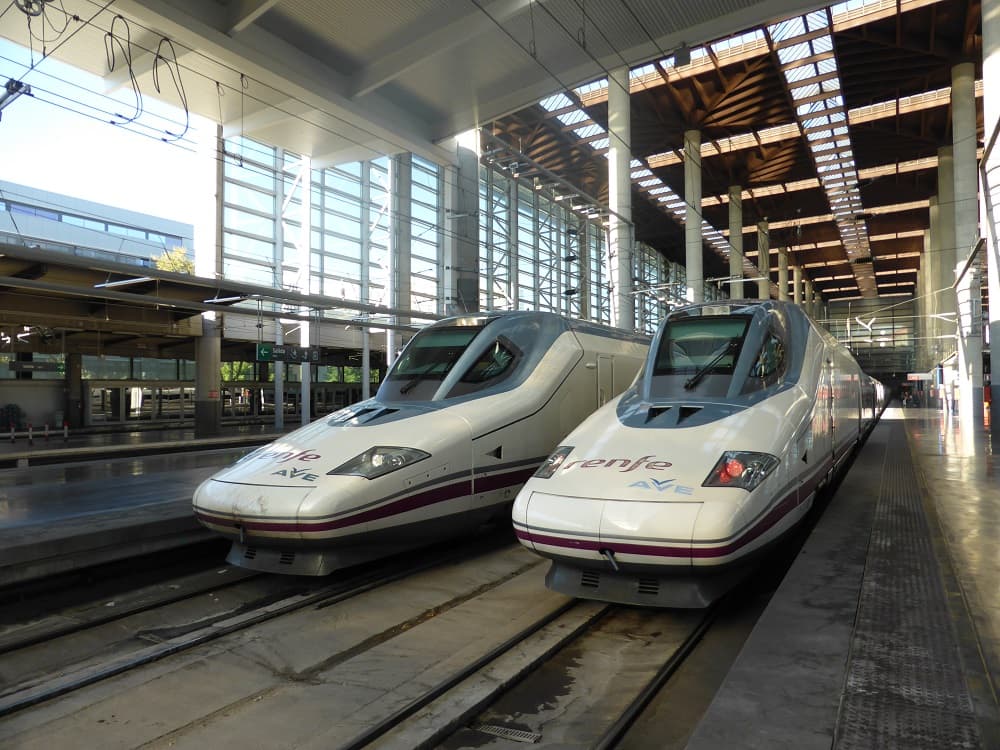
The national rail operator, Renfe, manages the majority of the rail network. This includes Cercanías (suburban trains), Media Distancia (regional), and AVE (high-speed rail). In recent years, competition from private operators like Ouigo and Iryo has expanded high-speed options on major routes such as Madrid-Barcelona and Madrid-Valencia.

Driving in Spain
Driving in Spain requires adherence to strict national regulations overseen by the Dirección General de Tráfico (DGT). Foreigners must ensure their documentation is valid under Spanish law, which differentiates between EU/EEA citizens and non-EU nationals.
Legal Requirements for Drivers
To operate a motor vehicle, a driver must be at least 18 years old. Residents must carry their driving license, vehicle registration (Permiso de Circulación), and the latest ITV (technical inspection) report at all times. Failure to produce these documents during a traffic stop may result in fines starting from 100 EUR ($108 USD, Jan 2026).
Driving License Validity and Exchange
The rules for using a foreign license depend on the country of origin and the length of residency in Spain:
- EU/EEA Citizens: Licenses are valid until their expiration date. However, after becoming a legal resident, the driver must follow Spanish rules regarding medical checks and renewals.
- Non-EU Citizens: Licenses are generally valid for the first six months after obtaining legal residency. After this period, the driver must either exchange (canje) their license or obtain a Spanish license by passing a driving exam.
- Bilateral Agreements: Spain has exchange agreements with several countries (e.g., UK, Argentina, Colombia). Nationals from these countries can often exchange their license without a practical test, though an appointment (cita previa) with the DGT is required.
Low Emission Zones (ZBE)
In accordance with Climate Change laws, all Spanish cities with more than 50,000 inhabitants have implemented Zonas de Gran Afluencia or Zonas de Bajas Emisiones (ZBE). Access to these areas is restricted based on the vehicle's environmental category.
Vehicles must display an environmental sticker (Distintivo Ambiental) issued by the DGT. These can be purchased at post offices (Correos) for 5 EUR ($5.40 USD, Jan 2026).
Practical Steps for Foreigners
To integrate into the Spanish transport system, residents should follow these administrative steps:
- Apply for a Transport Card: Visit the regional transport website (e.g., CRTM for Madrid) to request a personal public transport card using a TIE or NIE number.
- Register with the DGT: If you own a vehicle, ensure it is registered in the Vehículos database and that your address is updated for fine notifications.
- Verify ITV Status: Annual or biennial technical inspections (ITV) are mandatory. The cost for a standard passenger car inspection is roughly 40 EUR to 60 EUR ($43.20 - $64.80 USD, Jan 2026), depending on the region and fuel type.
Exceptions and Special Cases
Certain situations may alter the standard requirements for transport and driving:
- International Driving Permit (IDP): Non-residents (tourists) from non-EU countries should carry an IDP alongside their original license.
- Diplomatic Status: Members of diplomatic missions follow specific registration protocols through the Ministry of Foreign Affairs.
- Short-term Visas: Individuals on short-stay Schengen visas are not considered residents and cannot exchange their licenses for Spanish ones.
- Imported Vehicles: Bringing a car from outside the EU involves significant customs duties and a technical homogenization process (homologación).