
Cultural Orientation and Etiquette in Spain
Adapting to life in Spain involves understanding a set of social norms and institutional practices that govern daily interaction. As of 2026, Spain remains a society that values social cohesion, physical presence, and a distinct approach to time management. For foreign nationals, navigating these customs is essential for successful integration into both professional and private spheres.
Social Greetings and Interaction
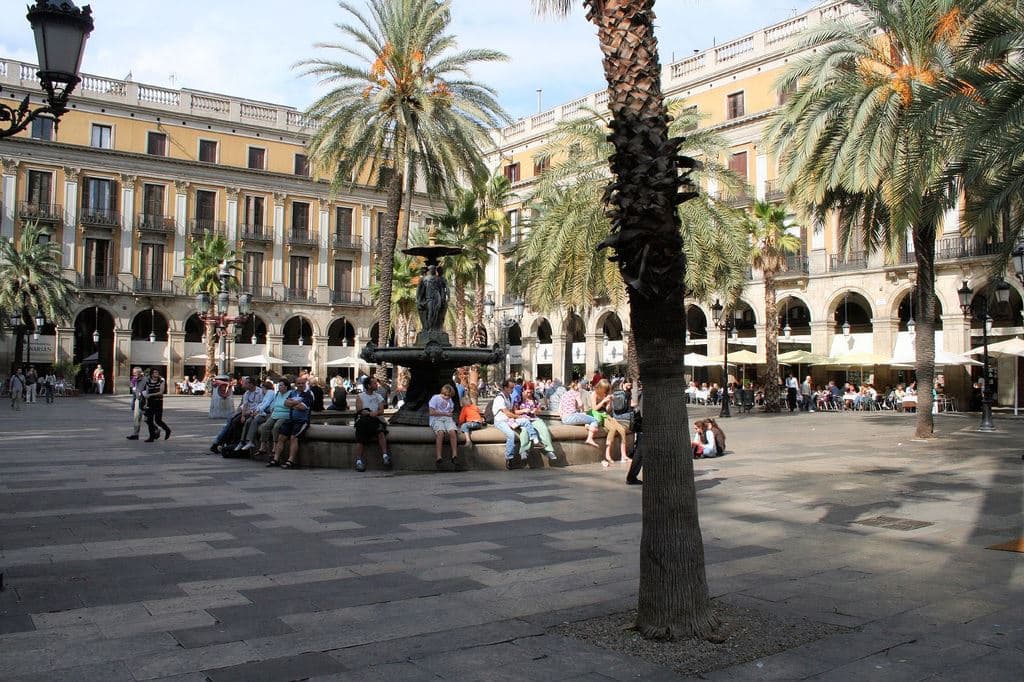
Social interactions in Spain are generally characterized by a high degree of physical proximity compared to Northern European or North American standards. Greetings vary depending on the level of familiarity and the setting.
- The "Dos Besos": In social settings, women greet both men and women with two kisses (one on each cheek, starting with the right). Men typically shake hands with other men, though close male friends or family members may embrace (el abrazo).
- Formal vs. Informal Address: The Spanish language distinguishes between "tú" (informal) and "usted" (formal). In 2026, "tú" is widely used in most social and even many professional environments. However, "usted" remains the standard when addressing the elderly, high-ranking officials, or in formal medical and legal contexts.
- Physical Space: Personal space boundaries are often smaller than in other cultures. It is common for people to touch the arm or shoulder of their interlocutor during a conversation.
Time Management and Schedules
Spain operates on a schedule that differs significantly from most of Europe. Understanding the "Spanish Clock" is vital for accessing services and managing social expectations.
Meal Times: Standard meal times are later than in many other countries. Breakfast (desayuno) is light and taken early. A mid-morning snack (almuerzo) occurs around 11:00 AM. Lunch (la comida) is the main meal of the day, typically served between 2:00 PM and 4:00 PM. Dinner (la cena) is lighter and occurs between 9:00 PM and 11:00 PM.
Business Hours and "La Siesta": While the traditional three-hour midday break (siesta) has largely disappeared in major corporate centers like Madrid and Barcelona, many small businesses and shops in smaller towns still close between 2:00 PM and 5:00 PM. Large shopping malls and supermarkets generally remain open continuously from 9:00 AM or 10:00 AM until 9:00 PM or 10:00 PM.
Dining Etiquette and Tipping
Dining is a central social activity in Spain. The concept of la sobremesa—the period of conversation at the table after a meal has finished—is a fundamental cultural practice. It is considered impolite to ask for the bill immediately after the last course.
Tipping Practices: Tipping (la propina) is not mandatory and is not calculated as a strict percentage. In cafes or for small meals, rounding up to the nearest Euro or leaving small change is common. In formal restaurants, a tip of 5% to 10% is considered generous if the service was exceptional. For example, on a bill of 50 EUR ($54.10 USD, Jan 2026), a tip of 2-5 EUR is standard.
The "Menú del Día": Most restaurants offer a fixed-price lunch menu during weekdays. This typically includes a starter, a main course, a drink, and dessert or coffee. In 2026, the average price for a Menú del Día ranges from 12 EUR ($12.98 USD, Jan 2026) to 18 EUR ($19.48 USD, Jan 2026) depending on the city.
Regional Identities and Languages
Spain is a highly decentralized country composed of 17 Autonomous Communities. Recognizing regional identity is crucial for cultural orientation.
"Spain is not a monolith; regional identity often takes precedence over national identity in areas like Catalonia, the Basque Country, and Galicia."
Official Languages: While Spanish (Castilian) is the official language nationwide, several regions have co-official languages:
- Catalan: Spoken in Catalonia, the Balearic Islands, and parts of Valencia (where it is called Valencian).
- Basque (Euskera): Spoken in the Basque Country and parts of Navarre.
- Galician (Gallego): Spoken in Galicia.
Business Etiquette
The Spanish business environment values hierarchy and personal relationships. While 2026 has seen a rise in digital nomadism and remote work, traditional business practices still hold weight.
- Initial Meetings: First meetings are often focused on establishing rapport and trust rather than closing a deal. Expect a certain amount of "small talk" before business is discussed.
- Dress Code: Professional attire is expected in corporate and legal sectors. For men, this typically means a suit and tie; for women, a professional suit or dress. Creative and tech sectors in hubs like Málaga or Valencia are more casual.
- Punctuality: In a professional context, punctuality is expected from foreign nationals. However, Spanish counterparts may occasionally arrive 5-10 minutes late without it being considered a sign of disrespect.
Exceptions and Practical Steps
Certain etiquette rules vary based on specific circumstances or locations:
- Religious Sites: When visiting cathedrals or churches (such as the Sagrada Família), modest dress is required. Shoulders and knees should be covered.
- Smoking: Spain has strict anti-smoking laws. Smoking is prohibited in all indoor public spaces, public transport, and certain outdoor areas like hospital grounds and school entrances. Always check for signage on outdoor terraces.
- Sundays: In many regions, Sunday is strictly a day of rest. Most retail shops, except for those in designated "tourist zones" (like central Madrid), will be closed.
For individuals seeking detailed administrative guidance on moving to Spain, the Ministry of Foreign Affairs provides specific resources categorized by country of origin.