
Daily Life in Spain
Adjusting to daily life in Spain involves understanding localized systems for food procurement, communication, and waste management. While many processes are harmonized with European Union standards, Spain maintains specific schedules and administrative requirements that differ from other regions.
Grocery Shopping and Supermarkets
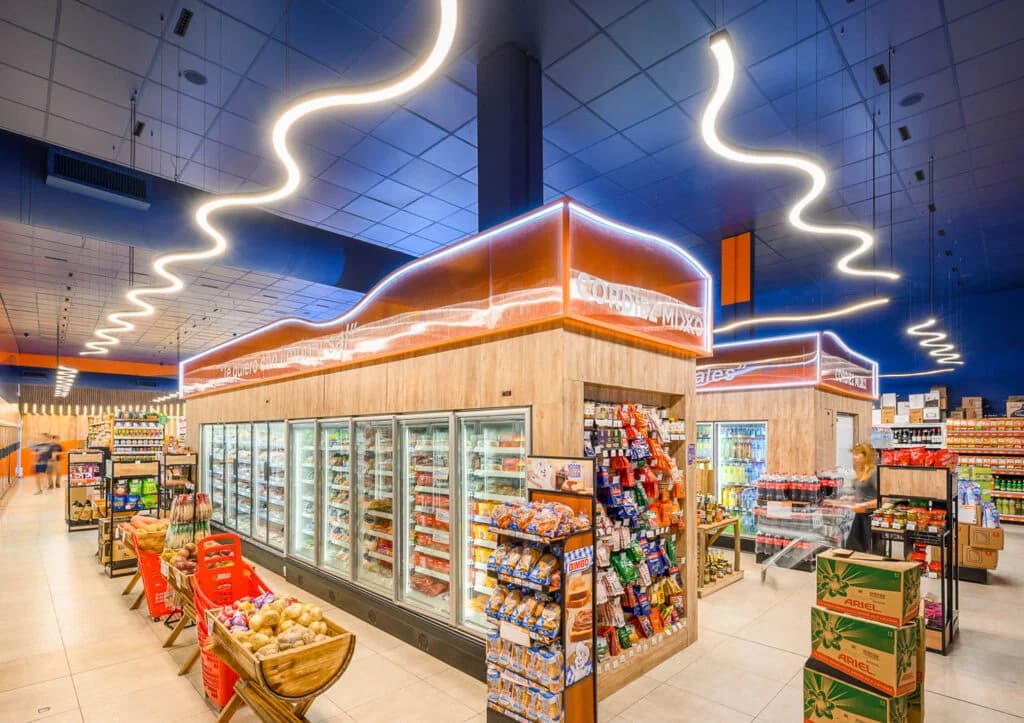
The Spanish grocery market is a blend of large-scale national chains, international retailers, and traditional neighborhood markets. Shopping habits often revolve around the availability of fresh, seasonal produce.
Major Supermarket Chains
There are several prominent retailers operating across the country. The choice of store often depends on proximity and specific product preferences:
- Mercadona: The largest Spanish supermarket chain, known for its private labels (Hacendado, Deliplus).
- Carrefour: A French multinational offering hypermarkets (Carrefour) and smaller convenience stores (Carrefour Express).
- Lidl and Aldi: German discount retailers popular for competitive pricing on non-perishable goods and international products.
- El Corte Inglés / Hipercor: Generally positioned at a higher price point, offering a wide range of gourmet and international brands.
- Eroski and Consum: Cooperatives with a strong presence in specific regions like the Basque Country and Valencia.
Operating Hours and Sunday Regulations
Standard supermarket hours are typically 09:00 to 21:30 or 22:00, Monday through Saturday. Under the Ley de Comercio Retail, Sunday opening hours are strictly regulated and vary by Autonomous Community:
- Madrid: Most supermarkets are permitted to open on Sundays and public holidays.
- Other Regions: Most supermarkets remain closed on Sundays, except for a limited number of designated shopping Sundays per year (usually during Christmas or sales seasons).
- Convenience Stores: Small "alimentación" shops (often run by independent owners) may remain open late and on holidays.
Average Costs
As of January 2026, estimated prices for basic goods are as follows (subject to regional variation):
- 1 Liter of Milk: 1.05 EUR ($1.10 USD, Jan 2026).
- 1 Kilogram of Rice: 1.40 EUR ($1.47 USD, Jan 2026).
- Dozen Eggs: 2.60 EUR ($2.73 USD, Jan 2026).
Postal and Delivery Services
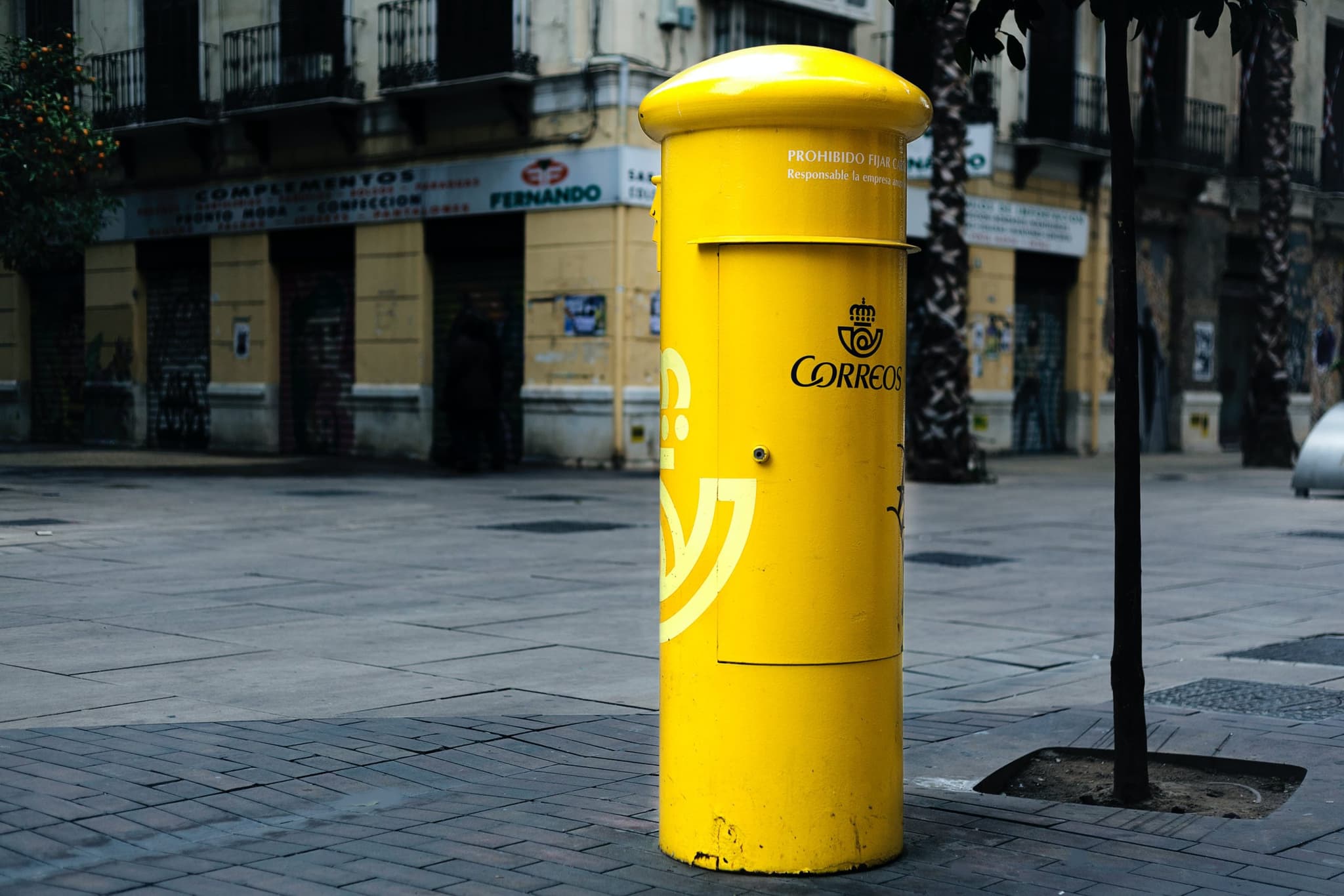
The national postal service in Spain is Correos (Sociedad Estatal Correos y Telégrafos). It handles traditional mail, package delivery, and certain administrative payments.
Sending Mail and Packages
Standard letters can be mailed via the yellow post boxes (buzones) found on street corners. For certified mail or packages, individuals must visit a Correos office.
- Burofax: A service unique to Spain used to send documents with legal proof of delivery and content. This is frequently used for official notifications or contract terminations.
- Stamps (Sellos): Can be purchased at Correos offices or at tobacco shops (Estancos), identified by a brown and yellow "Tabacos" sign.
Receiving Parcels
If a recipient is not home during a delivery attempt by Correos, the carrier will leave a missed delivery slip (aviso de llegada). The recipient must then collect the item from the specified post office, usually the following business day, providing a valid ID (Passport or TIE).
For automated collection, CityPaq lockers are available in many transit stations and supermarkets, allowing users to receive packages via a code.
Waste Management and Recycling
Spain utilizes a color-coded bin system for waste separation. Most municipalities require residents to take their trash to communal bins located on the street, rather than having individual bin collection at each doorstep.
The Color-Coded System
The standard system for recycling is as follows:
- Blue (Papel y Cartón): Paper, cardboard boxes, newspapers, and magazines.
- Yellow (Envases): Plastic containers, cans (soda/tin), and cartons (bricks for juice/milk).
- Green (Vidrio): Glass bottles and jars. Metal lids and corks should be removed.
- Brown (Orgánico): Food scraps and biodegradable waste (implemented in most major cities by 2025).
- Grey/Orange (Resto): Non-recyclable waste that does not fit into the other categories.
Special Waste and Large Items
Items that cannot be disposed of in standard bins must be taken to a Punto Limpio (Civic Amenity Site). This includes batteries, electronics, chemicals, and furniture.
Most city councils (Ayuntamientos) provide a free "Recogida de Muebles" (Furniture Collection) service. Residents must call a specific number or check the local council website to find the designated day and time for placing large items on the sidewalk.
Plastic Bag Regulations
In alignment with EU directives, Spanish retailers are prohibited from providing free lightweight plastic bags. Customers are charged between 0.05 EUR ($0.05 USD, Jan 2026) and 0.15 EUR ($0.16 USD, Jan 2026) per bag, encouraging the use of reusable "bolsas de tela."
Practical Steps for New Residents
To integrate effectively into these daily systems, new residents are encouraged to follow these steps:
- Locate the nearest 'Punto Limpio': Check the local Ayuntamiento website for the location of fixed and mobile recycling centers.
- Register for a Correos Account: This allows for digital tracking of parcels and management of CityPaq deliveries.
- Identify Local Market Days: Many towns host weekly open-air markets (mercadillos) which offer lower prices on fresh textiles and produce.