
Introduction: Understanding Spain's Squatting Dilemma
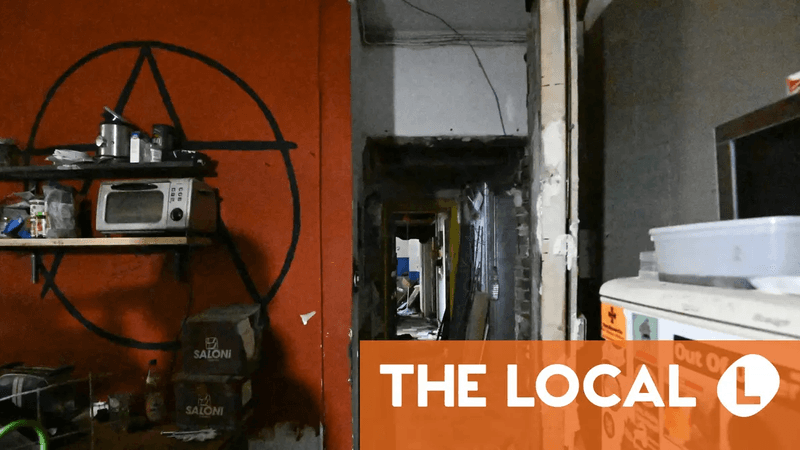
Squatting, known locally as 'okupación', is a highly controversial topic in Spain that sparks intense debate. For some, it's an exaggerated issue politicized by right-wing groups, while for others, it represents a legal nightmare where squatters can occupy properties for years while owners face costly court battles. In 2024, the number of squatted homes in Spain increased by 7.14 percent to 16,426 cases, up from 15,289 in 2023, according to the Interior Ministry. This rise occurs against the backdrop of a severe housing crisis, with skyrocketing property prices and rents that many Spaniards and expats struggle to afford. Yet, the question remains: does this justify occupying someone else's property? Adding to the complexity, Spain has 3.8 million empty homes (as of 2021 data), many owned by banks, highlighting a mismatch in housing availability.
Impact on Foreigners: Why This Matters for Expats and Property Owners
If you own a home in Spain, especially as a foreigner, understanding squatting is crucial. Many expats own holiday homes that sit empty for long periods or travel frequently, making their properties vulnerable. Under Spanish law, squatters can only be evicted immediately within the first 48 hours of occupation—a loophole that many 'okupas' exploit. This means if you're abroad and squatters take over, you could face lengthy legal processes and significant expenses. The issue isn't just about illegal entry; it also includes 'inquiokupas', who were legal tenants but stop paying rent and refuse to leave. For landlords, this can lead to loss of rental income and legal headaches. As a foreigner, navigating Spain's legal system to reclaim your property can be daunting, making proactive measures essential.
Key Details: Laws, Insurance, and Practical Steps
Legal Framework and Recent Changes
Spain distinguishes between two types of squatters: 'okupas', who enter homes illegally (whether occupied or not), and 'inquiokupas', former tenants who overstay without paying. In April 2023, Spain introduced an anti-squatting law aimed at speeding up evictions through 'express evictions', but judicial backlogs often delay the process. In November 2023, a motion was proposed to allow stopping utility payments for squatted homes, though its outcome is pending. It's illegal to cut off utilities to occupied properties, which can add to owners' costs.
Anti-Squatter Insurance: A Vital Protection Tool
To mitigate risks, many companies in Spain now offer anti-squatter insurance, which can cover legal fees, eviction costs, and more. This is particularly useful for foreigners with second homes or rental properties. Key providers include:
- Movistar Prosegur Alarmas
- Securitas Direct
- Línea Directa
- El Corte Inglés
- Generali
- Acierto
It's important to shop around, as prices and coverage vary. Sometimes, this insurance is included in subscription-based security alarm packages, such as those from Movistar Prosegur Alarmas and Securitas Direct.
What Does Anti-Squatter Insurance Cover?
Typically, policies include:
- Eviction costs
- Legal fees related to occupation
- Alternative accommodation if it's your main home
- Damage to the property
- Household bills during occupation (since cutting them off is illegal)
- Cleaning and lock changes after regaining access
- Civil liability insurance for potential neighbor damage
Cost and Considerations
Prices vary widely based on factors like location, security setup, and whether it's standalone insurance or part of a broader package. For example, Línea Directa offers basic insurance for €24 per year, while Movistar Prosegur provides a comprehensive security system with anti-squatter coverage for €48.90 per month. As a foreign owner, assess your property's risk—consider its location, how often it's occupied, and existing security measures—to choose the right plan.
Conclusion: Staying Informed and Protected
Squatting in Spain is a complex issue with real implications for foreign property owners. While legal reforms aim to address it, the process can still be slow and expensive. By understanding the types of squatters, recent law changes, and the benefits of anti-squatter insurance, you can better protect your investment. For expats, this means staying vigilant, considering insurance options, and keeping abreast of legal developments. Remember, prevention is key—especially if your home is left unattended for extended periods. For more insights, check out related articles on squatter tricks in Spain and eviction companies to stay prepared.