
Introduction: A New Wave of Medical Strikes in Spain
The Spanish medical association Apemyf has called for another nationwide strike, marking the fourth major walkout in less than a year. This ongoing protest targets the controversial overhaul of Spain's Medical Framework Statute, with doctors arguing that proposed budgetary changes threaten improvements in working conditions and healthcare quality. For foreigners residing in Spain, understanding these strikes is crucial for navigating potential disruptions to medical services.
Impact on Foreigners: What to Expect During the Strike
If you're a foreign resident in Spain, here's how the strike may affect your access to healthcare:
- Emergency Services Remain Open: By law, Spanish hospitals must provide minimum services during strikes. Emergency rooms (ERs) will continue to operate for urgent treatment, so life-threatening situations will be handled as usual.
- Non-Urgent Appointments at Risk: Prescheduled appointments that are not deemed urgent may be cancelled or postponed. This includes routine check-ups, specialist consultations, and elective procedures.
- Regional Variations: The strike's impact may vary by region, as participation differs. Areas with higher doctor turnout could experience more significant service reductions.
It's advisable to contact your healthcare provider in advance if you have an upcoming appointment to confirm its status.
Key Details: Demands, Participation, and Protests
Core Demands of the Striking Doctors
Spanish doctors are protesting to address long-standing issues in their profession:
- Elimination of 24-Hour Shifts: Doctors are demanding an end to exhausting 24-hour shifts, which they argue compromise patient care and physician well-being.
- Better Remuneration for On-Call Duties: They seek improved pay for physicians on call, reflecting the demanding nature of this work.
- Work Week Limits: A key demand is capping the work week at under 48 hours to prevent burnout and ensure sustainable healthcare delivery.
Strike Participation and Protests
The strike is expected to be widespread, with significant regional involvement:
- Confirmed Regions: Madrid, Catalonia, the Basque Country, Galicia, Navarre, the Valencian region, Murcia, and Asturias have been called to participate, along with family GPs nationwide.
- Additional Regions Joining: Reports indicate doctors in the Canary Islands, Aragón, Castilla y León, and La Rioja may also join the stoppage.
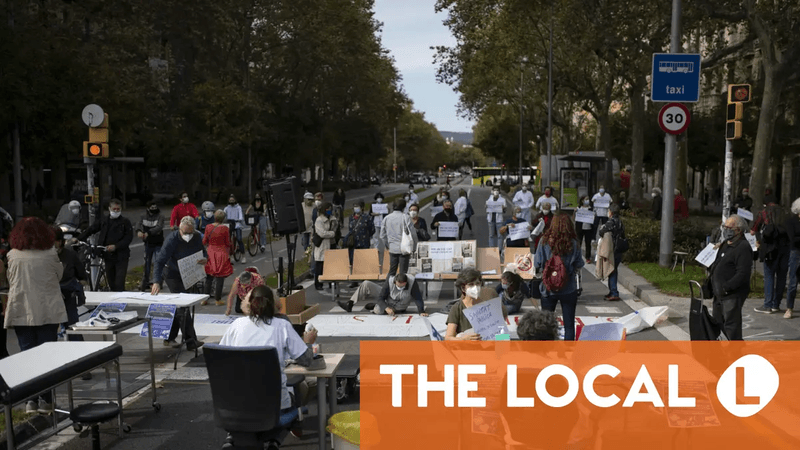
- Demonstrations: The two-day strike will be accompanied by protests in major cities. In Madrid, the doctors' union Amyts has scheduled a march from the Congress to the Ministry of Health, while two similar protests are planned in Barcelona.
Conclusion: Navigating Healthcare During the Strike
This strike is part of a broader movement by Spanish healthcare professionals to advocate for better working conditions and patient care standards. For foreigners in Spain, staying informed is key—monitor local news for updates on strike dates and regional impacts. In case of medical needs, prioritize ERs for emergencies and be prepared for possible delays in non-urgent care. By understanding these dynamics, you can better manage your health during this period of industrial action.