
Introduction: Navigating Spain's Culinary Scene
Spain is a top destination for food lovers, but its popularity comes with a downside: tourist traps. These restaurants, often found in well-known resorts and cities, lure visitors with convenience but deliver bad quality, inauthentic food, overpriced menus, and poor service. For foreigners, falling into these traps can ruin the dining experience and strain your budget. This guide will help you spot the warning signs and enjoy Spain's rich culinary culture like a local.
Why This Matters for Foreigners
As a foreigner in Spain, you might be unfamiliar with local dining customs, making you an easy target for tourist traps. These establishments often exploit visitors by charging inflated prices for subpar meals, using tactics like serving drinks in oversized glasses or offering menus in multiple languages. By learning to identify red flags, you can avoid overpaying, enjoy authentic Spanish cuisine, and support local businesses that value quality over quick profits. This not only saves money but also enhances your cultural experience, allowing you to dine where Spaniards do.
Key Red Flags to Watch Out For
Here are the top signs that a restaurant in Spain might be a tourist trap. Use this list as a checklist to make informed dining choices.
1. Restaurants with Picture Menus Outside
If a restaurant displays photos of food on its exterior menu, be cautious. This is especially true for pictures of branded paellas, which often indicate frozen, reheated dishes. Similarly, images of tapas or combo meals suggest a focus on tourists rather than quality. Authentic Spanish eateries rely on word-of-mouth and simple menus, not flashy visuals.
2. No Locals Dining There
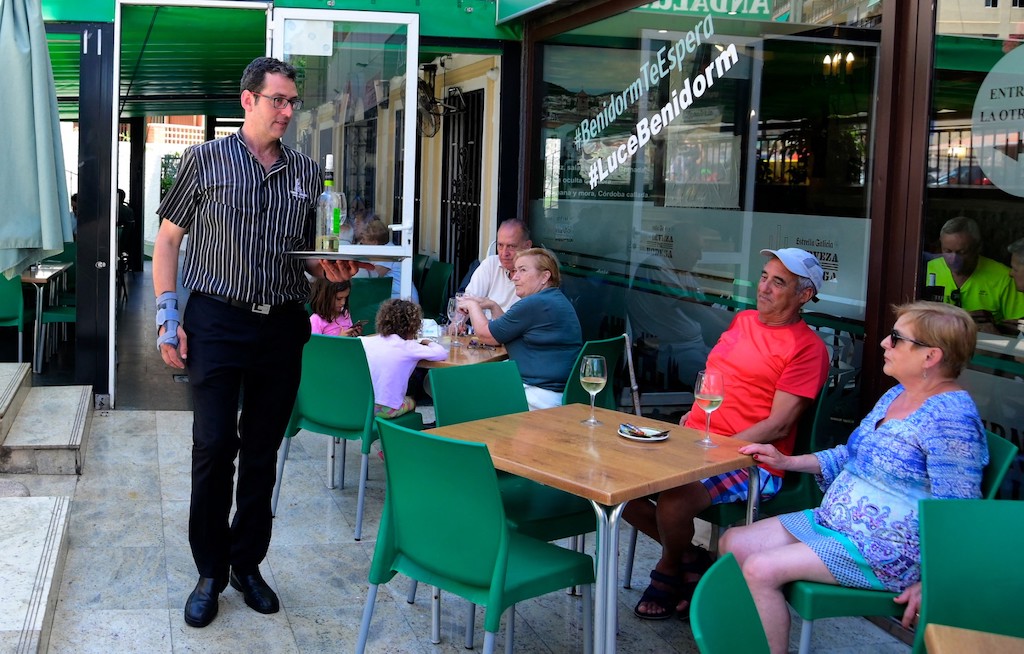
Observe the clientele: if you only see tourists, it's a red flag. Locals know where to find good food and fair prices, so their absence often means the restaurant offers poor value or inauthentic dishes. Follow the locals to discover hidden gems with genuine Spanish flavors.
3. Restaurants Next to Major Landmarks
Convenience comes at a cost. Eateries near sites like the Sagrada Família or Puerta del Sol often overcharge and serve mediocre food. Walk a few streets away to find more affordable and authentic options where locals eat.
4. Bars Serving Drinks in Pint Glasses
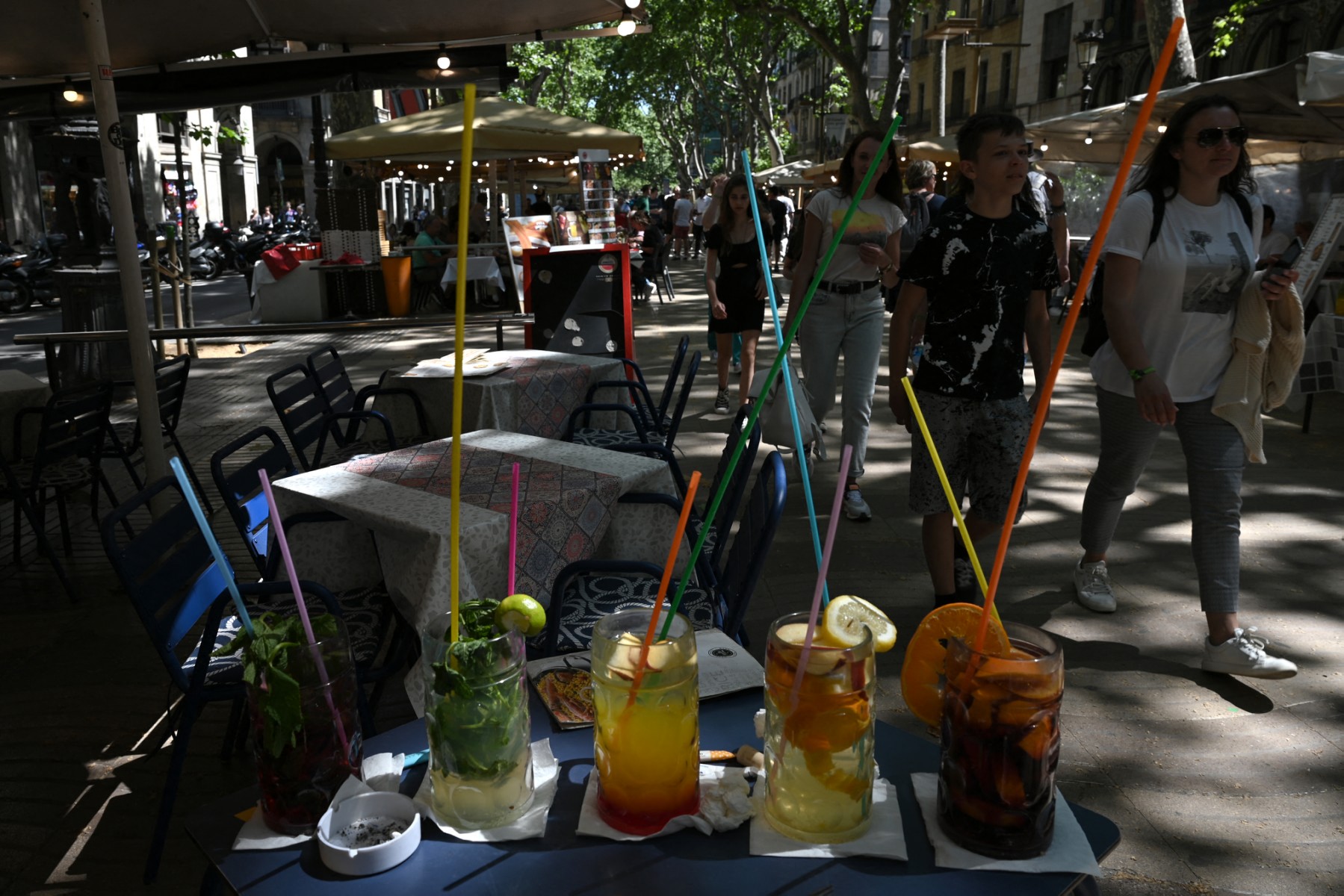
In Spain, beer is typically served in a caña (small glass) or tubo (slightly larger glass), not pints. Places using pint glasses—often for drinks like coke or iced tea without asking—are targeting tourists to charge more (e.g., €5 instead of €2.50). Stick to traditional servings to avoid this trap.
5. Menus in Multiple Languages with Flags
While it's helpful to understand the menu, restaurants offering lists in many languages with little flags are usually geared solely toward tourists. This often means inflated prices and a lack of local patrons. Look for places with simpler, Spanish-focused menus.
6. Restaurants with a Non-Stop Kitchen
Spaniards eat at specific times: lunch from 1-2 PM to 4-5 PM and dinner later in the evening. Kitchens that operate "all day" or serve meals outside these hours are likely catering to tourists. Exceptions include international chains, but generally, this is a sign to be wary.
7. Waiters Outside Trying to Lure You In
If waiters are aggressively inviting you in from the street, it's a tourist trap. Good restaurants don't need such tactics; they attract customers through quality. These spots are common in touristy areas and rarely have local diners.
8. Establishments Serving All Types of Cuisine
Restaurants offering paella, pizza, sushi, and more often lack specialization, resulting in mediocre dishes. For authentic experiences, choose places that focus on specific cuisines, like a dedicated tapas bar or Italian restaurant.
9. Bars That Heavily Promote Sangría
Sangría is popular with tourists, but locals usually prefer tinto de verano (red wine with lemonade) or, in Catalonia, sangría de cava. If a bar prominently features sangría, it's likely a tourist trap. Opt for local drinks to blend in and save money.
10. Restaurants Right on the Beachfront
Not all beachfront eateries are bad, but many overcharge and serve low-quality food. Combine this location with other red flags—like picture menus or pint glasses—to confirm it's a trap. Venture slightly inland for better options.
Conclusion: Dine Smart in Spain
Avoiding tourist traps in Spain is about observation and local insight. Remember, don't judge a restaurant by its appearance; some of the best tapas bars have simple decor and napkins on the floor. By watching for these red flags, you can enjoy authentic, reasonably priced meals and immerse yourself in Spanish culture. For more tips, check out our article on 12 tricks some bars and restaurants in Spain use to overcharge you and explore the debate between tinto de verano and sangría. Happy dining!